Costa del Sol

Alcazaba of Málaga

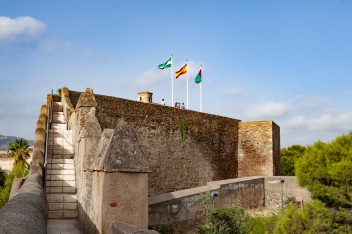
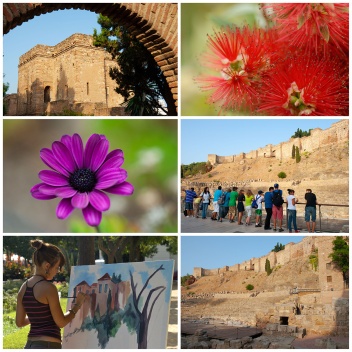
La Alcazaba is Malaga's most important landmark, and overlooks the city from a hilltop inland. It is one of two Moorish fortresses in the city, the other being the Castillo de Gibralfaro, situated above. The Alcazaba is the best-preserved Moorish fortress palace in Spain. It received about 1 million visitors in 2016.

Rincon de la Victoria

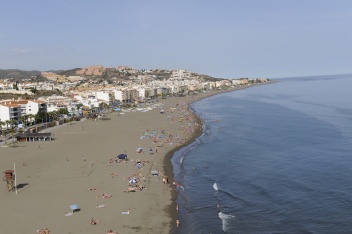
Rincon de la Victoria is sometimes described by local residents as a "dormitory town". Situated just 12km east of Malaga, it makes a convenient base for those who work in the city but prefer sea breezes and beaches, and the relative tranquillity of an overgrown fishing village.

Malaga City Beaches

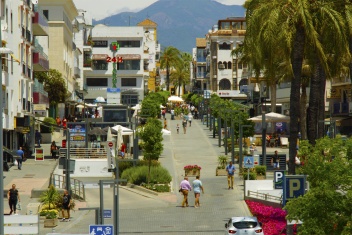
Malaga City has much to offer a tourist, not only is it the cosmopolitan capital of the Costa del Sol it also has kilometres of beautiful sandy beaches. The beaches are all situated along the Promenade of Pablo Ruiz Picasso which is lined with bars and restaurants where you can sample Malagueño produce and culture at its best.

Malaga City Museums

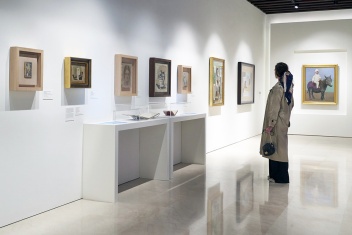
Whether you like wine, archaeology or cars; you’re interested in glass, contemporary art or 19th century painting, you’re sure to find at least one museum which will interest you in the city. Most visitors to Malaga go to the Picasso museum and his birth house, as the painter is the most famous son of the city. There is also a first rate art museum now which focuses on Andalucian art – the Museo Carmen Thyssen.

Picasso Museum

The people of Malaga are proud of the fact that Picasso was born here and it was a big day when the King and Queen of Spain inaugurated the Museo Picasso (Picasso Museum) on the 27th October 2003. On that first day alone almost 2,000 people visited. the museum, which is housed in the Palacio de Buenavista.

Sabinillas

The present-day fishing village is a new settlement which developed over the last century or so. Like most towns on the Costa del Sol, it has seen rapid growth over the last few decades.

Manilva

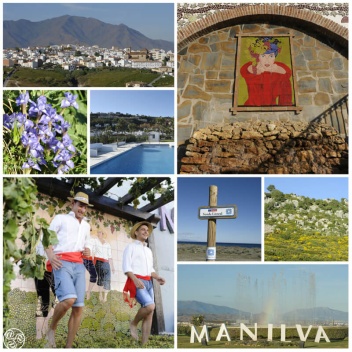
One of the most charming aspects of Manilva is that, despite its prime location on the coast, there is a refreshing lack of anonymous sky-scraper construction. Therefore, although tourists are just starting to discover the village (with good reason), it remains intrinsically Spanish. The majority of residents live in the commercial centre which covers just two square kilometers.

Manilva Roman baths & Aquaduct

Sulphur is the ninth most abundant element of the universe and is one of nature´s great jokes on the human race. Known to the ancients as "Brimstone" it is one of the elements essential to life as a constituent of various biologically active compounds. Pure sulphur is odourless, but fun-loving nature frequently combines it with hydrogen to produce hydrogen sulphide, which has the odour of rotten eggs.

Ojen

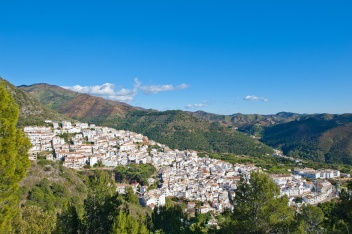
Ojén, population 3000 like Istán, has somehow remained relatively unspoiled in spite of its accessibility and closeness to Marbella.

Monda

Monda is a tiny town (or large village) in the mountains just inland from the Costa del Sol. Situated past Ojén on the A-355, it lies a mountain valley at 365m and has a population of less than 2,000. It is well-linked by road with Marbella, just 15km away, as well as Coin and Cartama (for Malaga). Thanks to development on the nearby coast over the last few decades, the town has enjoyed new prosperity.

Torremolinos Beaches

There are six main beaches in Torremolinos: Los Alamos, Playamar, Bajondillo, La Carihuela, Montemar and El Saltillo. The 7 km main promenade has recently undergone improvements with additional landscaping and wider pavements. Now all the beaches are linked.

San Pedro de Alcántara

San Pedro de Alcántara is in an ideal situation, just 10 kilometres west from all the glitz and glamour of Marbella, yet just a few minutes drive away from the natural beauty of the Sierra de Ronda mountain range and 20 km from the town of Estepona. An ancient farming community, once famous for sugar cane, today San Pedro is a refreshingly unspoilt pueblo with an appeal all of its own.

Cuevas de Nerja

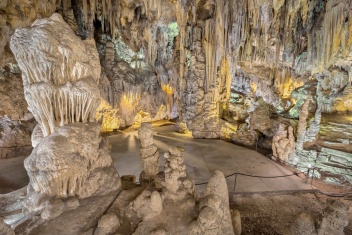
Las Cuevas de Nerja (the Caves of Nerja) are a series of naturally formed caves and caverns in the hills of Maro, 4km North-East of Nerja, some of which have taken up to two million years to form. The caves contain the widest naturally-formed column in the world, at 32m high and 13x7m at its base. Formed by the merging of a stalagmite and stalactite, it has held the Guinness World Record since 1989. The caves also famously host the annual Nerja International Festival of Music and Dance.

Mijas Pueblo

One of the jewels of the Costa del Sol is the beautiful little village of Mijas, which nestles comfortably in the mountainside at 400 meters above sea level about 10km from the coast. Of the ten thousand population, there are so many foreign and English speaking residents in and around the village that the Town Hall has a very helpful Foreigner's Department, which caters for the needs of those residents who do not speak Spanish.

Fuengirola Beaches

Fuengirola is famous for its seven kilometre (5 mile) stretch of sandy beach, beginning at the Sohail Castle to the west (at the Beatriz Spa Hotel) and ending at Torreblanca to the east. The promenade is officially called Paseo Maritimo Rey de España. (Promenade).

Bioparc Fuengirola

Zoos aren't what they used to be, fortunately. You won't find miserable animals pacing up and down shoebox cages, clinging to solitary branches or paddling around in sad puddles at Bioparc Fuengirola - Fuengirola's  visitor and animal-friendly zoo.

Book your stay in Andalucia Now!