Iglesia de San José - Cadiz
The church was the first to be built outside the city walls, that is, in the part of the city that is outside the Puertas de Tierra and the traditional historical center of the city.
The church was the first to be built outside the city walls, that is, in the part of the city that is outside the Puertas de Tierra and the traditional historical center of the city.
The church is situated on the site of the old Mosque of Muslim Cádiz, on the orders of King Alfonso X “El Sabio”, (the wise) after he re-conquered of the city around 1263.
Iglesia de Santo Domingo is an important church constructed the master builders, Martín Calafate and Bartolomé Ruiz in 1650.
This Oratory (small chapel) is a unique architectural and artistic complex formed by two very different religious enclosures: an upper church and an underground chapel.
This baroque-style church was founded in 1566 and rebuilt in the seventeenth century.
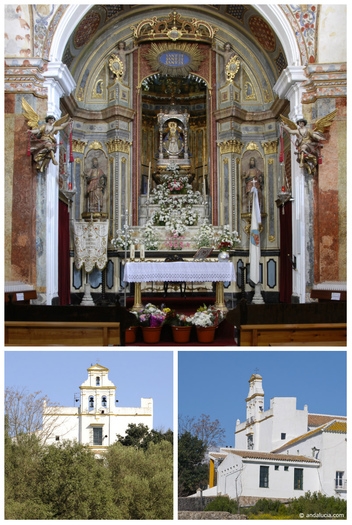
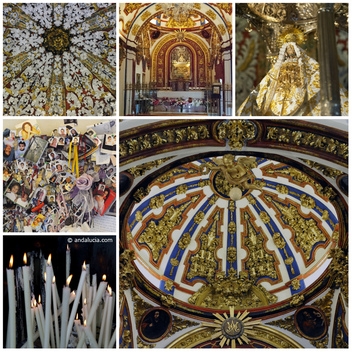
This small, popular church is famous for its collection of exvotos, offerings to the virgin. It is located in the countryside 5km outside Alcalá towards Medina Sidonia.
Things to see in Cartama include Ermita de Nuestra Señora de los Remedios, Fuente de Pilar Alto, Iglesia Parroquia de San Pedro Apostol, Castillo de Cártama, Estación de Cártama, Puente de Hierro, Cruz de Humilladero, Ermita de Casapalma, Museo de Ntra Sra de los Remedios and the Capilla de Sierra Gibralgalia
The original simple chapel here was founded by a Philippine community around the year 1671. Transformation began in the year 1688 at the hands of the master builder, Blas Díaz, and were finished for its inauguration in 1719.
This church is divided into two very distinct parts: the gloomily simplistic oval 18th century chapel with only a crucifixion sculpture; and the contrasting upper floor, elegantly decorated and containing some fine Goya paintings depicting the Miracle of the Loaves and Fishes, the Guest at the Wedding and the Last Supper. An excellent free guide is given upon entry.
The religious influence in Baza is underlined by the number of churches and convents still standing today. Religion is a fundamental part of the culture and tradition of Baza and there are many churches and buildings of religious origin to be seen;