Natural Parks

Fauna

Located on the approaches to the Strait of Gibraltar, the park is an important stopping place for migrating birds, as well as providing an important nesting site for various species of birds on its cliffs, such as cattle egrets, little egrets and yellow-legged gulls.

Accommodation

There are many hotels to choose from in and around Caños de Meca. Villages close to the park include Conil de la Frontera, further west along the coast, and the delightful inland village of Vejer de la Frontera.

Walks

As you might expect in a place of such beauty there are many excellent signposted and waymarked senderos (walks). Make sure you have a good map. Details of senderos, maps and walking guides are available in the Sierra's tourist offices and visitors' centres (see information).

Villages in Sierra Nevada

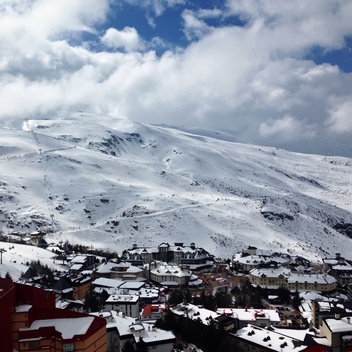
There are few villages on the higher ground in Sierra Nevada because of the severe weather, with strong icy winds and snow for some of the year. There are 25 villages in the park and about 10 dotted around the edge.

Things to see

Things to see around Sierra Nevada National Park include Jardín Botánico de La Cortijuela, Tibetan Monastery O Sel Ling, Balneario de Lanjarón and Villages of the Alpujarras.

Info Centres

In the western part of the park is El Dornajo, at Km 23 on the A395 road, 958 340 625. It has loads of information on the park, including an exhibition on the area's flora and fauna, hiking, where to stay, horse riding, cycle hire and paragliding. The centre sells guidebooks and maps on the park, some of which are available in English, and there is a shop selling locally produced cheese, ham and wine.

Hotels in Sierra Nevada park

Hotel and Hostel accomodation is found in villages located around the edge of the park. The most popular are those on the southern boundary, in the popular Alpujarras (Granada Province) such as Capileira, Bubion, Pampaneira, Trevéles, less visited Bérchules, Yegen, Valor, Laroles and less visited in the Almeria Alpujarras.

Flora

The park's plants are outstanding, with the highest number of endemic plant species in Europe. An impressive 2,100 different species of vascular plant, a quarter of those recorded in the whole of Spain, have been registered here, over 120 of them endangered. Around 70 plant species are only found in the Sierra Nevada, mainly in the higher areas, while 175 species are native to the Iberian Peninsula.

Fauna in Sierra Nevada park

The park's main draw for fauna is its rich birdlife, with over 60 species inhabiting the Sierra. Nesting birds of prey include golden eagles, Bonelli's eagles, peregrine falcons, griffon vultures and kestrels. On the higher slopes are Alpine accentors, black redstarts, northern wheateaters, rock thrushes, rock buntings, red-billed choughs and skylarks. In the woodland areas are hoopoes, short-toed treecreepers, green woodpeckers, coal tits, great tits, goldfinches and golden orioles.

Cueva de los Murciélagos

The Cueva de los Murciélagos (the Cave of the Bats) is a system of caves situated on the edges of the limestone Sierras Subbéticas Natural Park, 4km from the attractive village of Zuheros. Of the 60 caves registered in the park, the most important one is the Cueva de los Murciélagos, internationally renowned for its schematic and unique rock paintings and significant archaeological remains dating from Neolithic times.

Bahía de Cadiz Natural Park

Encompassing a 10,522ha flat landscape of sandy beaches, marshes, salt pans, freshwater lakes and tidal inlets, as well as the two natural areas of Isla del Trocadero and the Marismas de Sancti Petri, the Cadiz Bay supports a surprising wealth of wildlife, given the built-up areas that are in and around it, which make up a population of around 400,000.

Breña y Marismas de Barbate Natural Park

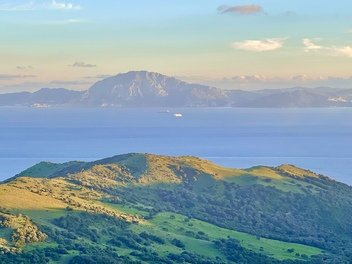
Created in 1989, the Breña y Marismas de Barbate park is Andalucia's second largest coastal reserve and has one of the most spectacular stretches of rocky cliffs along the Andalucian Atlantic coastline, with stunning views over the sea and to the rocky headland of Cape Trafalgar and its lighthouse.

Via Verde of the Sierras Subbéticas

The Via Verde Subbeticas is a southern extention of the Vía Verde of the Olive Oil that originates in Jaen city. The Via Verde Subbeticas covers 56 km, much of it on the fringes of the limestone mountainous area of the Sierras Subbéticas Natural Park. It links a series of beautiful villages, such as Zuheros, Luque and Cabra.

Lake Viñuela

Lake Viñuela is set in the stunning landscape of the Axarquia in Malaga province. Less than an hour’s drive from Malaga International Airport, La Viñuela is a very popular destination for those who hope to enjoy the unspoiled beauty of Andalusia. It has also been chosen by many Spanish and foreigners alike to become their home, enjoying life in its beautiful surroundings.

Fuente de Piedra

The village of Fuente de Piedra (with a population of approximately 2,000) is close to the Natural park and lake; Laguna de Fuente de Piedra. Due to the presence of the lake, it seems that man has been in this area since prehistoric times. Later, commercial links were maintained with the Phoenicians and the Carthaginians. During Roman times, the lake was named "Fons Divinus" or divine spring, due to the medicinal properties of the water.

Sierra Nevada - Camping

There is one area of free camping (zona de acampada organizada) in the park's eastern flank, which is Monterrey, north of Láujar de Andarax. Take everything you need. There are many organized campsites in the park and on its fringes, mainly on its southern edge in the Sierra's foothills, the Alpujarras.