Estepona

Flamingos Golf at Villa Padierna Golf Club

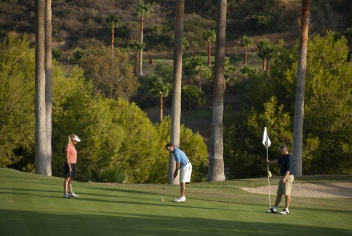
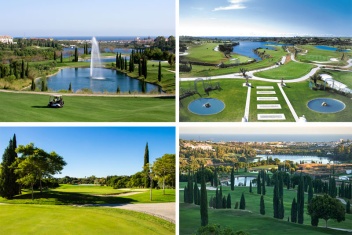
Los Flamingos Golf has pitched its green fee price at the exclusive end of the range. It is a par 71 golf course. Situated between El Paraíso, Monte Mayor and the Marbella Club Resort, Los Flamingos takes its name from the Los Famencos lake around which Chamberlain & Turner have laid out their 18-hole design. A second Four Seasons Resort is planned to provide accommodation for visiting golfers.

Estepona Bullring

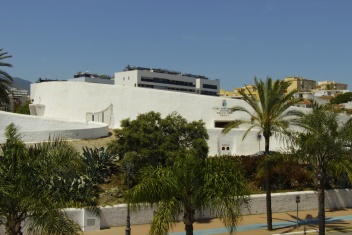
The bullring dates back to 1972 and, from within, resembles the typical concrete architecture of this era. From the outside it is more interesting, due to the unique asymmetric design created by Juan Moro Urbano, the exterior is landscaped to allow access to the upper terraces without the necessity of steps.

Gran Hotel Elba Estepona and Thalasso Spa

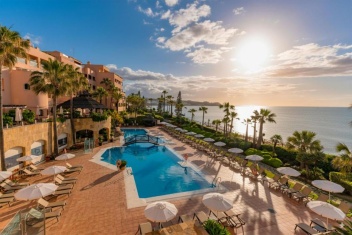
This five-star hotel is situated in the beautiful Arena Beach resort, looking right out to sea. It is close to the lively coastal town of Estepona and just 65km from Malaga airport. The hotel has an exclusive Thalasso Spa Club, covering over 1,500m2, making it the largest Thalassotherapy spa in Andalucia, offering a choice of 60 treatments and beauty packages, including underwater shower massage.

Mett Hotel (was Iberostar Costa del Sol Hotel)

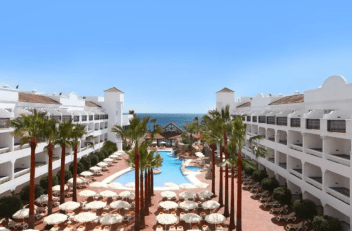
The Mett Hotel (was Iberostar Costa del Sol Hotel) is right on Estepona beach in the Costalita residential development. The hotel's AcquaPlaya Centre has two areas, both of which use water treatments at different temperatures to treat various conditions, or simply to create a relaxing environment as an antidote to stress. In the Club Acquaplaya the hydrotherapy circuit has jet sprays at different levels and whirlpools.

Hacienda del Mar (Formerly Kempinski Hotel Bahia)

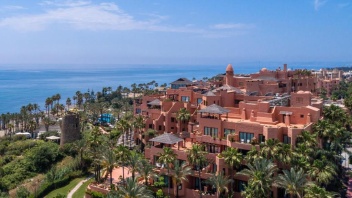
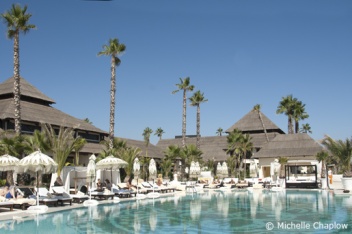
The Kempinski Hotel Bahia is on the Mediterranean coast just east of Estepona and is surrounded by luxurious sub tropical gardens, complete with three lagoon type swimming pools, one of which is heated. The Kempinski Spa specializes in body and facial treatments, including various types of massage such as hot candle, (either indoors, or outdoors in the garden), physiotherapy and osteopathy, slimming, anti-stress and hydrotherapy.

Lighthouse

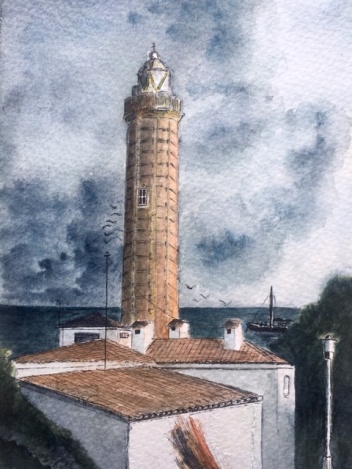
A lighthouse has stood on the natural limestone headland known as Punta Doncella at the west end of La Rada beach in Estepona since an 8,5 metre structure was completed by engineer Antonio Molina in 1863. The original olive oil burning lamp was purchased from Sautter the French maker. It was replaced in 1882 by a paraffin 'Maris' lamp and then by a petrol one in 1904.

Selwo Adventure Park

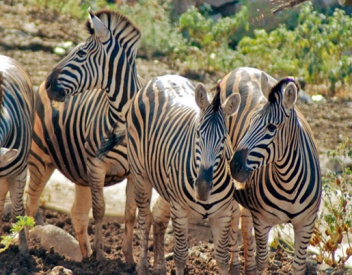
Selwo is a fascinating adventure in contact with nature. The park covers 100 hectares and is home to more than 2,000 animals from the five continents. The animals live in liberty, recreating their natural habitat - you can see lions, rhinos and giraffes; gnus, cheetahs, red pandas, meekats, and the endangered Iberian lynx; also birds such as hornbill, ibis, stork and crane. Visitors are taken on a four-hour tour, on foot and in four-wheel drive trucks.

Beach Clubs Costa del Sol

In the up-market areas of Andalucia, a growing trend has evolved for a beach life quite different from the simple pleasures of buckets and spades, cool boxes and fold-away deck chairs. Many simple, traditional "chiringuitos" or beach bars still exist dotted along the coast where you can enjoy local cuisine and get an ice cream.

Estepona Beach bars

Here is a comprehensive guide to the beach bars (chiringuitos) and beachside restaurants in Estepona. The majority of these establishments have sun beds for hire at a reasonable price per hour or day. Many also offer music and create their own, unique ambience. Most of the beach bars located in the town are open all year, most of those located outside the town are open from Easter to end of September.

Restaurants in Estepona

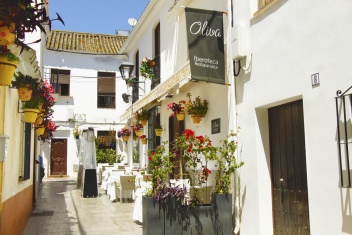
Estepona has a varied selection of restaurants both in the town itself and in the surrounding areas. In the cobbled streets of the old town you will find many good quality tapas bars and restaurants, serving the very best of authentic, traditional generally serving Spanish cuisine. In the summer evenings the terraces are full of diners.

Puro Beach, Estepona

Puro Beach and the Laguna village complex was distroyed by fire on the afternoon of Saturday 29-08-2020.. The bush fire started 500m away on the mountain side of the coast road in the area of the derilect amusement park called Prado world..

Estepona Nightlife

Estepona offers numerous bars with music in the town centre. Here is a guide to a wide array of venues, ranging from those open during the day and on into evening to the latest of the late night clubs. The bars in the town are generally less expensive as they are geared to a local crowd as opposed to tourists. This is a great area to visit to see something different, including more than one positively unique bar.

San Luis Castle, Estepona

There is little left to see of the great castle which once stood at the heart of Estepona, and what remains is not now readily apparent, but it is possible to trace the ruins around the high ground. Its construction followed the seizing of the town in 1457 by Enrique IV. He also built new defensive towers along the coast.

Plaza de las Flores

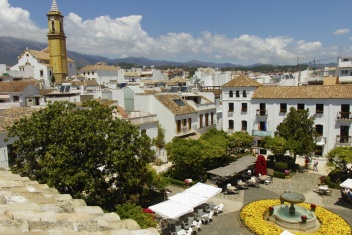
Plaza de las Flores has had a number of names over the years, beginning as Plaza Real, it became in turn Plaza de la Constitución, Plaza de José Antonio and finally (at least for now), Plaza de Las Flores. They were great times for the makers of street signs. Somewhere along the way it was also known briefly as Plaza de Abastos (Provisions Square), where the markets alternated with bullfights.

Torre Guadalmansa, Estepona

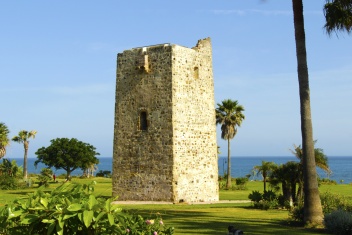
The tower is named after the Guadalmansa river which runs close by. In common with the majority of such towers, its one entrance is high up on its side and the only method of entrance and exit would have been by ladder or rope. Most of the towers along the coast are mediaeval and post-date the Christian reconquest.

Estepona Beaches

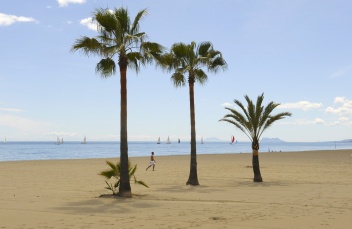
This 2km beach is bounded at the west by the Torre de la Sal headland and runs to the next headland at Bahia Dorada; it is about 40m wide. Not overly busy, this is mainly used by the residents of the urbanizations that straddle of the coast road.

La Torre del Reloj - Estepona

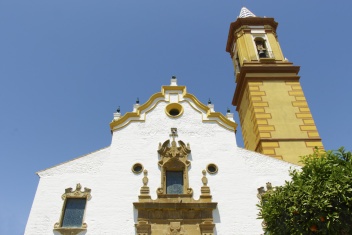
Estepona like so many villages in Southern Spain was fought over by the moors and the Christians until it was finally captured by the Enrique IV of Castile in 1457. He ordered the building of a church on the site of the old Mosque. The church was completed around 1473. it is the oldest ecclesiastical building on the Costa del Sol, but today only the clock tower survives. In the 18th Century a neo-classical dome was added.

History of Estepona

In Estepona various tools have been found made from local flint or quartzite using methods attributed to the Neanderthal era. Since we know the now-extinct Neanderthals lived in Gorham's cave in Gibraltar it raises the possibility that 30,000 years ago they were the first human (or at least humans' relatives) inhabitants of Estepona. These tools have been found in the Corominas and at Arroyo Vaquero.

Book your stay in Andalucia Now!