Huelva province

Peñas de Aroche Natural Area

This 718ha area southwest of Aroche is a little-visited protected area due to its relatively remote location and rough forestry tracks leading to it. It can be reached via the dirt road that links Aroche with the sparsely populated hamlet El Mustio, that gives access to the Paraje Natural Sierra Pelada.

Marismas del Río y La Flecha del Rompido Natural Area

It is situated west of Huelva, around the minor resort and fishing village of El Rompido. The Piedras river has formed an estuary surrounded by marshlands. Where the river meets the Atlantic Ocean a long sandy spit has formed, called the Barra or Flecha del Rompido.
Las Marismas de Odiel Natural Area

The Paraje Natural de las Marismas del Odiel is the second most significant wetland reserve in Andalucía after the Parque Nacional de Doñana. This large estuary and marshland of the Odiel and Tinto rivers covers 72-sq-km between Huelva City, Punta Umbría, Gibraleón and Aljaraque. It was granted protected status in 1989. The best time to visit is in spring during the breeding season and in winter when there are lots of waterfowl.

Marismas de Isla Cristina Natural Area

The marshland nature reserve of the Marismas de Isla Cristina is situated between the northern edge of Isla Cristina village and the Carreras estuary to the east and Ayamonte and the Guadiana estuary to the west. Within its 2.1 sq km is a variety of habitats and an impressive range of birds.

Laguna de Palos y Las Madres Natural Area

Part of the Paraje Natural Marismas del Odiel, the Lagunas de Palos y las Madres covers 693 hectares and consists of four lagoons: La Jara, Las Madres, La Mujer and Palos. They are the remains of what once was a nearly continuous line of coastal lagoons linking the marismas at the Odiel-Tinto confluence and those at the Guadalquivir estuary.

Estero de Domingo Rubio Natural Area

Part of the Paraje Natural Marismas del Odiel, the Estero de Domingo Rubio is situated seven kilometres south of Huelva city near the La Rábida monastery. The Estero is a creek that runs south of the monastery into the Odiel/Tinto estuary. The protected area of the Estero covers 480 hectares. It is bordered by saltmarshes and mudflats at the estuary end and freshwater marshes further upstream. Also at the upper end is a freshwater lake.

Los Enebrales Natural Area

Just outside of Punta Umbría is an area covering 162 hectares of protected beach, sand dunes and woods, including a juniper grove, one of the few examples of this type in Andalucía. The 50-m wide beach, with fine, golden sand, stretches for 2.3km.

Shopping Centres in Huelva

Andalucia is not alone in its quest for the convenience of large out-of-town shopping centres or commercial centres ( centros comerciales) . Over the past five years shopping centres in Andalucia have become increasingly prevalent and in Andalucia today they form an integral part of most peoples’ shopping experience.

Islantilla Golf Club

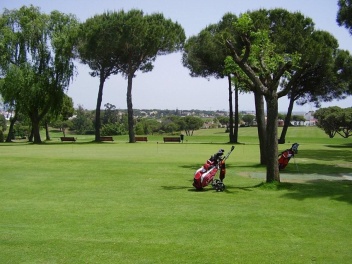
A 27-hole course, providing three different 18-hole options, it is suitable for all levels of expertise. It borders the Atlantic Ocean and is the first in Spain to be certified according to international standards for quality and environmental systems.

Gardens in Huelva

The garden of Villa Onuba, at Fuenteheridos, stands out with its fine examples of Spanish fir and Sequoia.

Club de Golf Corta Atalaya

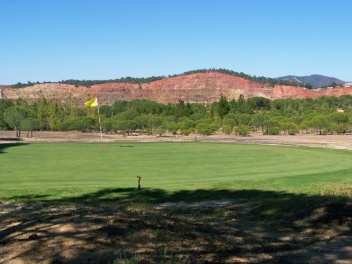
In 1990 the new Atalaya golf course was built next to the village of Minas de Rio Tinto; the original was founded in the 19th century within the Rio Tinto copper mine. The course is 2,300 metres long, with grassed greens but the fairways are bare earth, reminiscent of the original course used by miners and engineers.

Huelva Province Natural Parks

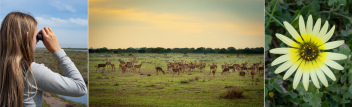
Although largely overlooked by foreign visitors, Huelva province contains some of Andalucia's most ecologically important wildlife areas, including the vast Doñana National Park, one of Europe's foremost wetland sites with an exceptional birdlife.

Aquopolis Cartaya

This “water city” (sister to the Aquopolis in Sevilla) in Huelva province has six rides, including a Torbellino, a huge bowl where you slide around the sides, and into the whirlpool at the bottom. For less hectic action, there’s a Jacuzzi, a relaxing pool and wave pool, plus little kids’ area.

Huelva - Lamb Stew

Place the lamb in a stew pot with the ham bone, tomato, onion, pepper, garlic, parsley, mint, bay leaves, salt and pepper and wine. Add enough water to just cover the meat. Bring to a boil, then simmer, covered, until the meat is tender. Skim out the meat onto a serving dish. Purée the liquid, discarding the tomato skin and herbs.

Huelva Wines

Columbus set forth for his historical voyage from the port of Palos, in the western Andalusian province of Huelva. The navigator took with him his dreams of discovery. His crew, who came from Palos and neighbouring Moguer, took more practical things, such as dried tuna, legumes and, of course, a good supply of Huelva wine.

Huelva Province

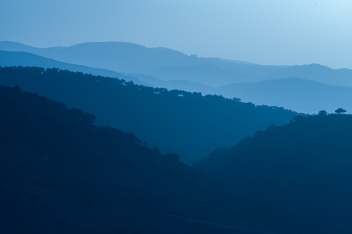
Huelva is one of the least-visited regions in Andalucía, but it has many unique places to discover and explore, from cork oak-covered hills, to deserted beaches. Indeed, this province's escape from mass tourism is one of its main attractions. It lies at the western edge of Andalucía, bordered by Portugal to the west, Seville province to the east and the region of Extremadura to the north.

Rio Tinto Mines

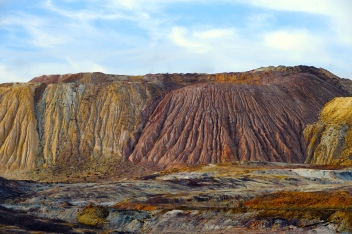
Arising out of the midst of the surrounding greenery, the giant opencast mines of Rio Tinto create a surreal, almost lunar landscape. The removal of layer upon layer of soil and rock, in the search for iron ore, copper, silver and a host of other mineral ores, has tinted this part of the world in hues of dusty pink, brown, yellow, red and grey.

Book your stay in Andalucia Now!