Northern & Antequera

Villanueva de la Concepción
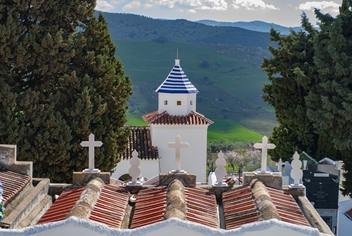
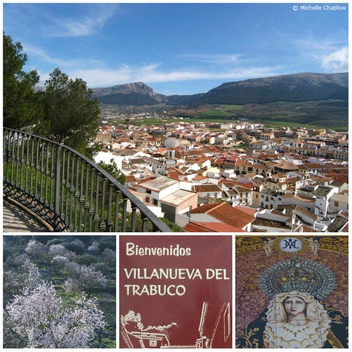
This handsome hill town, just 35 minutes north of Málaga and 20 south of Antequera, is described as "al pie del Torcal", 'at the foot' of the El Torcal Natural Area. This is a remarkable 17km-square region of limestone rock formations eroded by wind and rain that might lmost be described as Andalucía's answer to Uluru, the original name now used for Australia's Ayer's Rock.
Northern Málaga Province

Only around 50km northwest of Malaga is some surprisingly rugged landscape with a dramatic gorge, several immense reservoirs and a scattering of Moorish towns and villages with intriguing histories. Also here is one of the most impressive limestone landscapes in Europe, the Torcal de Antequera Natural Area.

Archidona

In the north of Málaga Province, about 50 kilometres from Málaga City (and 20 kilometres from Antequera), at the foothills of the Sierra de Gracia, is the welcoming village of Archidona. Bordering on the Granada Province, Archidona sits at the very centre of Andalucia, 660 metres above sea level. This rural community dominates the valley over which it presides.

Mollina

The site of this small town (current population around 5,500) has been home to human settlements since the Neolithic period. Situated just 15 km north-west of Antequera, on the A-92, on the slopes of the Sierra de Mollina, it lies at the very heart of a landscape of olive groves, vineyards and cereal fields.

Villanueva de Algaida

This little Málaga town is the birth place of a prestigious international sculptor, the man behind Spain’s famous Goya Awards (the Spanish “Oscars”) statues, and that is Miguel Ortiz Berrocal. He died at the age of 73 years old in the place of his birth after returning home from Verona Italy in 2002. Today on Calle Granada we can visit his home. Some of his work is also on display at the Asociación de Amigos de Berrocal (Friends of Berrocal Association) in the town.

Fuente de Piedra

The village of Fuente de Piedra (with a population of approximately 2,000) is close to the Natural park and lake; Laguna de Fuente de Piedra. Due to the presence of the lake, it seems that man has been in this area since prehistoric times. Later, commercial links were maintained with the Phoenicians and the Carthaginians. During Roman times, the lake was named "Fons Divinus" or divine spring, due to the medicinal properties of the water.

Villanueva del Rosario

If you are searching for hidden treasure, the white village of Villanueva del Rosario could be a good starting point. Easily accessible at 39 kilometres north of Malaga City, just 2.5 kilometres off the main Malaga/Granada (A359) road, legend has it that during Roman times treasure was buried beneath the Peñon de Solis (3 kilometres from the village centre) and to this day it has never been recovered.

Book your stay in Andalucia Now!