Northern & Antequera

Hotels in Antequera

Antequera is a very popular tourist destination and, as a result, has a number of high quality hotels dotted in and around the town. Being located just half an hour from Málaga, it is a great place to choose to stay and visit other nearby cities and towns, such as Granada. It has a very ´Spanish´ feel to it and is perfect for those who want to immerse themselves in Andalucian culture.
Convent of La Ascensión

Founded in the 16th century, the Convent of La Ascensión is one of Mollina's principal historic buildings.

Bodega La Capuchina

Bodega La Capuchina combines winemaking with rural tourism and offers vineyard tours and tastings.

Bus Service of Mollina

Regular buses connect Málaga with Antequera, with regional services continuing from Antequera to Mollina.

Festivals in Mollina

Mollina celebrates Carnival, Holy Week, the Three Kings Parade, the Grape Harvest Festival, the August Fair and Calendaria.

History of Mollina

The present-day town largely dates from the 16th century, during the Reconquest, when the area was repopulated under Christian rule, and the surrounding land was brought under cultivation.

Sierra de Yeguas

In Sierra de Yeguas, whose surroundings are very plain and agricultural, the most recognised monument is the 18th century Iglesia de la Inmaculada Concepción (Church of Immaculate Conception. This building sticks out through all the white houses with their beautifully latticed windows and doors. The archaeological sites in Sierra de Yeguas have revealed a very interesting story to the town.

Cañete la Real

The hilltop town of Cañete la Real, located in the northern part of the Serrania de Ronda is an ideal destination for enjoying nature, but also great for seeing monuments and heritage. The area around the town is dominated by the Sierra del Padrasto, and sits in a valley of the river Guadalteba, which flows into the mighty Guadalhorce.

Cuevas Bajas

The village of Cuevas Bajas, whose name comes from several caves located on its outskirts, is located in a small valley on the banks of the River Genal. Its most important monument is the Iglesia de San Juan Bautista, situated in the town square. The church was built in the 18th century and has an impressive facade, a small pediment and a square bell tower complete with clock.

Antequera

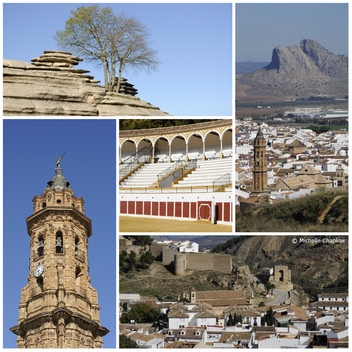
A visit to this historical Andalucían town is a journey almost 5,000 years back in time, beginning with the Bronze Age and the native Iberians. The timeline is there to be followed in this fascinating city's profusion of burial mounds, dolmens, Roman baths, a Moorish Castle, Gothic churches, Renaissance fountains and baroque bell towers.

Alameda

This small town of barely 5,000 inhabitants north-west of Antequera is probably most famous for its cadaverous celebrity El Tempranillo, the legendary 19th century bandit born in nearby Jauja and buried in Alameda's Iglesía de la Purísima Concepción church. The so-called Principe de la Sierra, prince of the mountains, is the most colourful of Andalucía's many bandit heroes.

Campillos

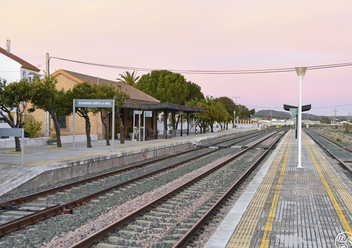
This peaceful little town of less than 8000 inhabitants, equidistant between the Costa del Sol, Granada and Sevilla, has been an important cattle farming, leather production and mining centre since Roman times. Archaeological digs in the vicinity have uncovered Roman architecture and coins, as well as brass busts of Octavius, Claudius, Constantine and Trajan. Nowadays, however, it is mainly known as one of the key stops on the Algeciras-Bobadilla 'Mr Hendersons railway' line.

Villanueva de Tapia

To my mind, one of the nicest drives inland from the Costa del Sol and Malaga is out towards Loja and Granada on the A 359, turning off at the A333 to Villanueva de Tapia. This little village of just 2,000 inhabitants is 85 kilometres from Malaga City and at sits at around 660 metres above sea level. It teeters between two worlds.

Almargen

The name Almargen, in Arabic, translates as "Los Dos Prados" ("the two fields"). It's a small town and is the perfect place for people who enjoy tranquillity and outdoor tourism. For those who love fresh air and open air activities, hiking can be found in the Sierra de Almargen, in an area known as Rio Salada (salty river) and in the Manantial de Casas Blancas ("the source for white houses").

Teba

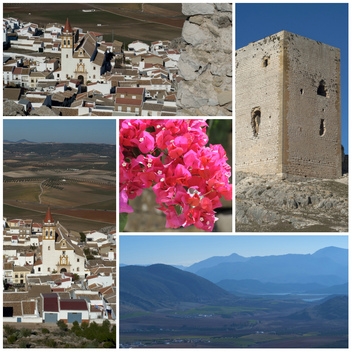
High on a rocky saddle in the mountains east of Ronda, some 15km north of Ardales, the small (pop: 4,000) town of Teba has one of the most extraordinary historical connections of any of Andalucía's pueblos. Like many of its neighbours - although Teba doesn't have that many neighbours in this wild, semi-agricultural mountain region - Teba has a history stretching back to Roman and Neolithic times. Its true to claim to fame.

Book your stay in Andalucia Now!