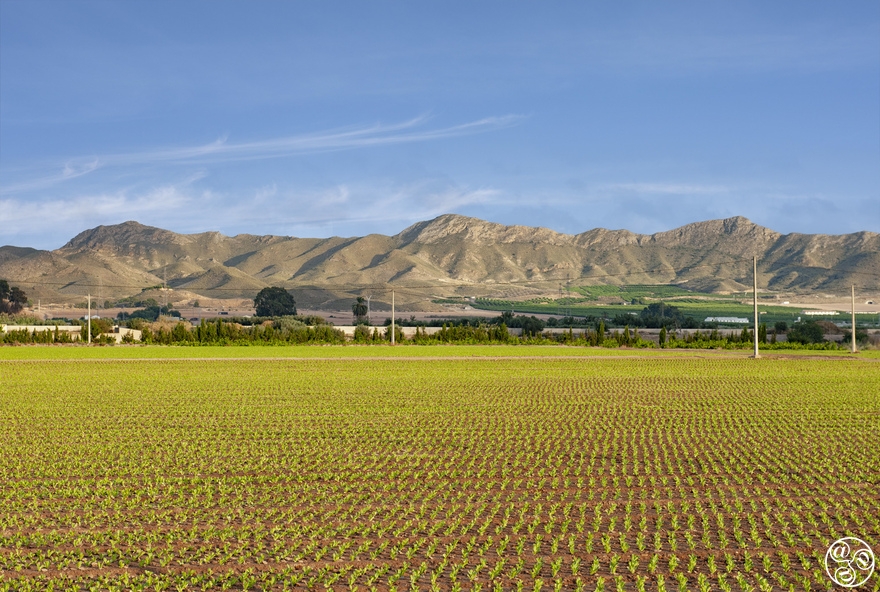
 The Fertile Fields Of Pulipí © Michelle Chaplow
PULPÍ
Pulpí: a hidden corner of Almería, Located in the easternmost part of the province, close to the border with Murcia, Pulpí is a fascinating corner of Andalusia where agriculture, history and the Mediterranean converge. The landscape stretches from fertile inland fields to the beautiful coastline of San Juan de los Terreros, with its sandy beaches, rocky coves and clear blue waters.
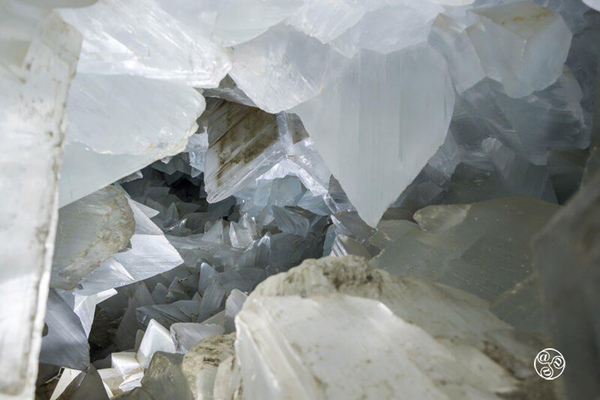
Pulpí is perhaps best known for the extraordinary geode discovered inside the old Mina Rica in 1999. This spectacular natural formation, which is filled with enormous transparent gypsum crystals, is one of the area's most remarkable geological treasures, attracting visitors from around the world.
Away from the underground wonders, agriculture plays a significant role in daily life. The fertile soil supports extensive farming, with greenhouses and open fields producing a variety of fresh fruit and vegetables. The contrast between the cultivated countryside and the deep blue Mediterranean Sea gives the municipality its distinctive character. With its mining heritage, agricultural traditions, coastal scenery, and welcoming village atmosphere, Pulpí offers visitors the chance to experience a lesser-known but equally rewarding side of Almería.
It is therefore no surprise that it has been officially declared a Natural Place of Interest. Discovered inside an abandoned mine in El Pilar de Jaravia, one of Pulpí's many populated areas, it is many millions of years old. The town of Pulpí itself has a population of around 9,500.
HISTORY
The possible human occupation of Pulpí and its surrounding territories during Prehistory and Protohistory are yet to be studied. However, various materials from the Roman Period have been unearthed, mainly on the coast. For example, on the beach of Terreros, next to the Salinas, a red clay musical instrument was discovered, similar to that found in Pozo del Esparto. Specialist Juan Cuadrado, who visited the site, suggested that there would have been a Roman city of relative importance there.
From the Byzantine era, only the materials collected by Cánovas Cobeño on the Island of Terreros are documented. During the Muslim occupation, La Fuente de Pulpí was a key passage point between the cities of Lorca and Vera. After the Castilian conquest of the city of Lorca in the mid-thirteenth century, the lands of Pulpí become part of the wide “no man’s land” between the Christian Kingdom of Murcia and the Muslim Kingdom of Granada. During the thirteenth and fourteenth centuries, large quantities of marble were extracted for projects in Granada such as the Alhambra and the Generalife.
With the conquest of Vera in 1488, the lands of Pulpí were incorporated into those of the city of Vera, but they remained unoccupied, mainly due to the maritime border, which was heavily frequented by Berber pirates. The lands of Pulpí were appealing for both Lorca and the Marquis. In 1551, cereal crops were destroyed with the aim of conquering the fertile lands of Pulpí. The abandonment of these lands led to the creation of pastures, used as a greenhouse and shelter for passing cattle from inland Baza, María and Puebla de Don Fadrique, among others. Between 1647 and 1652, the Council distributed these lands, reserving ownership of them.
In the summer of 1836, the inhabitants of Pulpí used the more progressive government to request independence for their municipality, which they obtained in the same year. From 1840 to 1862, the town was incorporated into the city of Vera again. Since then, Pulpí has been an independent municipal district with its own town hall.
THINGS TO SEE
Iglesia de San Miguel Arcángel
Construction of the church was commissioned in 1787. Designed by architect Juan Antonio Munar in 1797, the Neoclassical-style church was completed in 1801. On 14 October 1879, terrible floods devastated the entire Almanzora River basin and Pulpí received aid from various Spanish cities. The church was restored in the last decade of the twentieth century following a project by architect Ramón de Torres López. It is located in Plaza Libertad.
Casa del Inglés
Translated as the House of the English, this is an example of an ancestral home, although today it is abandoned.
THINGS TO SEE OUTSIDE THE VILLAGE
Geoda Gigante
The Giant Geode is a unique worldwide phenomenon given its dimensions, perfect condition and the size and transparency of its crystals. Considered the best-preserved geode in the world, it was discovered by Ángel Romero in 1999 inside an abandoned mine in Pilar de Jaravía. This rock formation has a crystallised interior formed from plaster crystals. It is several million years old, measuring more than 8 metres in length, and almost 2 metres in width and height. It has been declared a Natural Monument. It is located southeast of Pulpí, off the A-1205. More>
 Castillo de San Juan de los Terreros
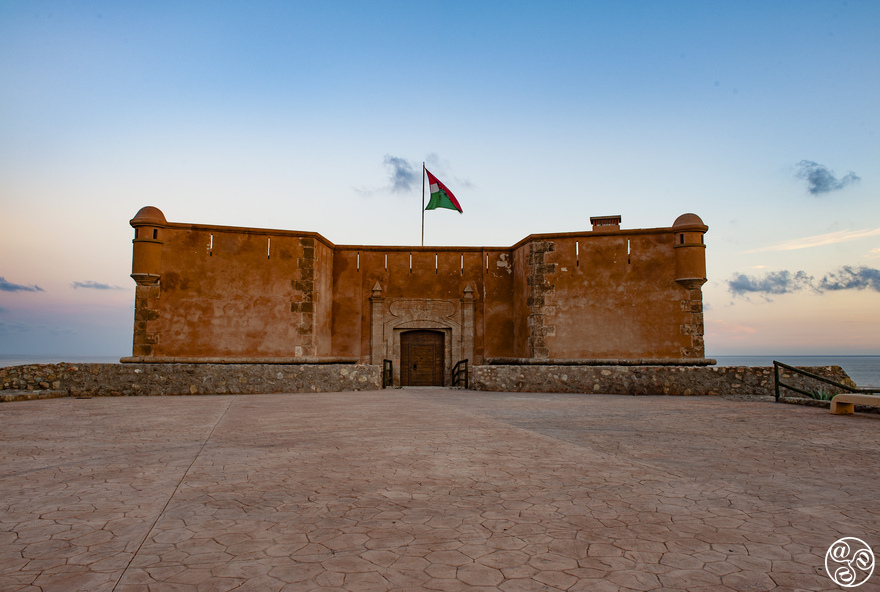
The castle was built in the middle of the eighteenth century during the reign of Carlos III. It formed part of a defensive renovation plan intended to fortify the Spanish coast against foreign pirate attacks. The building's style is typical of coastal defensive forts designed for artillery fire. It was designed by the military engineer Thomas de Warluzel d’Hostel and completed by Antonio Duce in 1764. Following a restoration process, it has become a visitor centre. It is located in San Juan de los Terreros.
Opening Times:
July and August, Monday-Friday, 18:00-22:00hrs
July and August, Saturday and Sunday, 10:00-13:00hrs and 18:00-22:00hrs
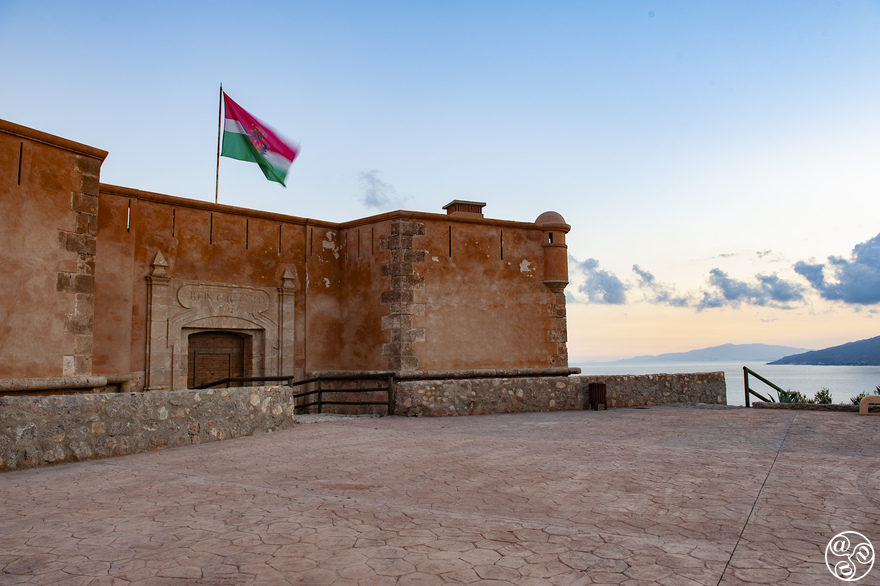 Castillo de San Juan de los Terreros
Ermita de Santiago Apóstol
This chapel, built in 1912, is dedicated to Nuestra Señora de los Dolores. The current statue was donated to the chapel in 1943 by Joaquín Garrigues, Secretary of the Supreme Court. The chapel also contains an image of Santiago Apóstol. The current temple is a new construction, as the previous hermitage was in a serious state of disrepair. It is located in Pozo de la Higuera.
NATURAL AREAS
Isla Negra
The Black Island is one of the many small volcanic islands that are found in the area, located off the coastal and touristic town of San Juan de los Terreros. It is also known as Isla de las Palomas (Pigeon Island).
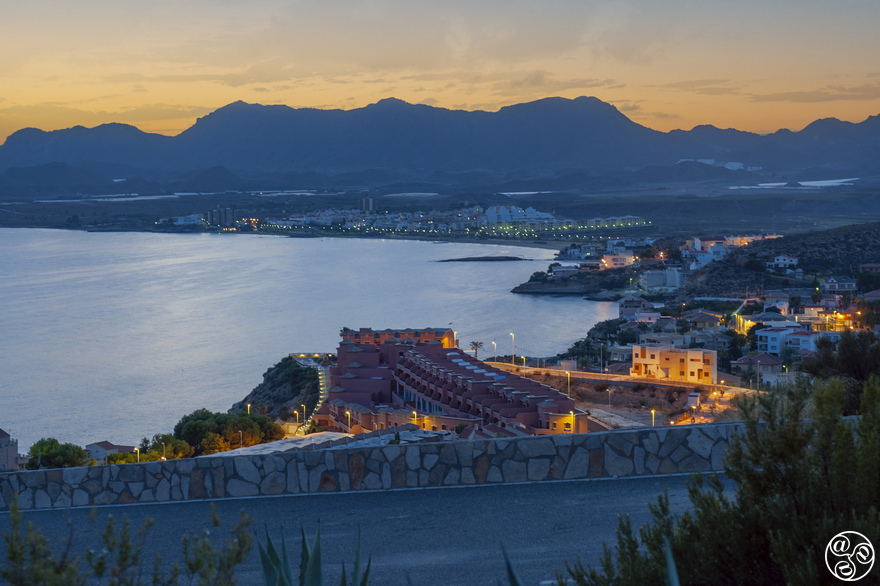 The costal stretch of Pulpí in the proviince of Almeria
Hotels Near Pulpí
Book Hotels in Mojacar village - Near Pulpí

Book Hotels in Almanzora area - Near Pulpí


BEACHES
Those searching for the sun and the beach will find the most attractive part of Pulpí by the coast, with quiet beaches and crystal clear waters where you can also do water sports, such as scuba diving. Among them are the beaches of Los Nardos, Entrevista, Mar Serena and Calipso and bays such as Tía Antonia, Cuartel and Cala Cerrada.
GOLF
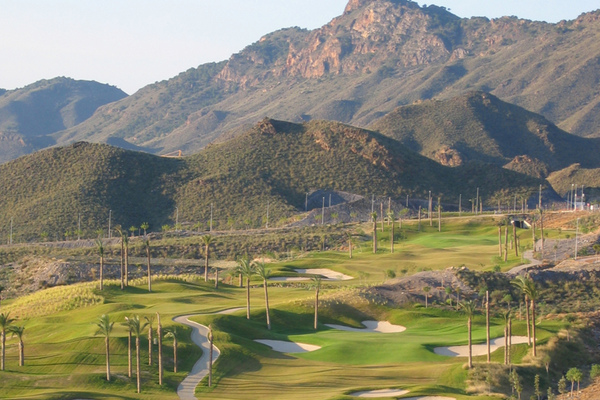
For golfers of all abilities, the Aguilón golf Course is great fun and, with its 100 bunkers and 6 stunning lakes, every hole comes with view.
HANDICRAFTS
Those who wish to buy arts and crafts from the town should search for special embroideries and products made with straw.
GASTRONOMY
The gastronomy in Pulpí is well worth sampling. Visitors should try dishes such as arroz con habicuelas (rice with beans), ajo colorao (garlic soup), migas con tropezones (fried bread with meat), as well an array of cured meats and hams. Sweet treats include tortas de manteca (lard torts), hornazos (sweet pastries) and brazo de gitano (cream sponge roll).
FESTIVALS
Cabalgata Reyes Magos
The Three Kings procession is celebrated on the evening of 5th January.
Carnavales - Carnival is traditionally celebrated in February.
Día de la Vieja Día de la Vieja is traditionally celebrated in the middle of lent.
Semana Santa - Holy Week, dates vary.
Romería en Honor a Nuestra Señora de la Fuensanta - Romería en Honor a Nuestra Señora de la Fuensanta is celebrated on the first Sunday of May.
Romería en Honor a Nuestra Señora de Fátima - Romería en Honor a Nuestra Señora de Fátima is celebrated on the second Sunday of May.
Romería en Honor a Nuestra Señora del Carmen
- Romería en Honor a Nuestra Señora del Carmen is celebrated on 16th July.
Fiestas de Pozo Higuera - Fiestas de Pozo Higuera is celebrated on the 25th July.
Fiestas Patronales en Honor a San Miguel Arcángel - Fiestas Patronales en Honor a San Miguel Arcángel is celebrated on the 29th September.
NEARBY PLACES
The neighbouring villages to Pulpí are Huércal Overa, Cuevas de Almanzora and the region of Murcia.