Christmas Recipes
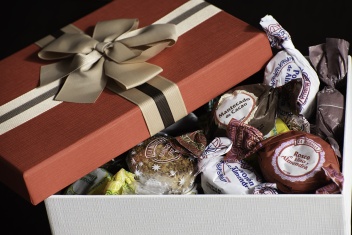
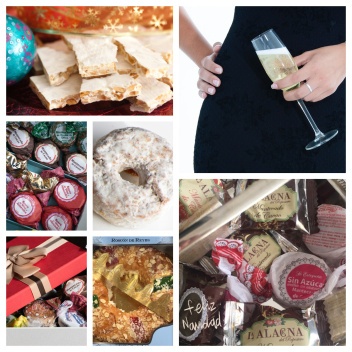
Try some of these Spanish Christmas specialities this festive season. Christmas turkey and for dessert Polvorones, Roscos.
Try some of these Spanish Christmas specialities this festive season. Christmas turkey and for dessert Polvorones, Roscos.
Try some of these delicious recipes for traditional Andalucian meat, game and poultry dishes.
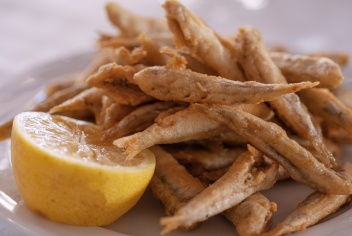
Which its large expanse of coastline, it's no surprise that Andalucia is famous for its fish and seafood. Go to your local market and pick up some fresh fish and try these traditional Andalucian recipes.
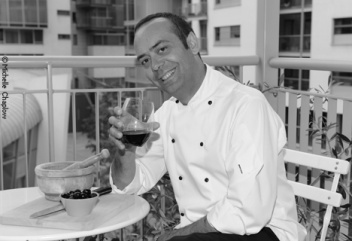
Andalucia and Spain are home to a whole host of renowned chefs, both nationally and internationally. Here are some that we at Andalucia.com have had the pleasure of meeting and interviewing.
Olive oil is one of the main products of Andalucia and is a staple ingredient of many Spanish recipes. Here are some of the recipes from the gastronomy section that you can try out using the famous Andalucian olive oil.
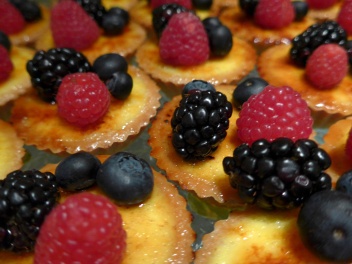
Spanish desserts are typically not very sweet, just a little something to change the taste and end the meal, preferable with a cup of that wonderful coffee!
When we think of Spain, tapas are one of the first things that comes to mind. The delicious little plates of goodness that go perfectly with a caña of beer or a glass of wine are an icon of Spain, so spend some time hopping from bar to bar tasting them. There are so many to try, from gambas al pil pil and tortilla de patatas to albondigas (meatballs) and Russian salad, you'll never get bored of them.
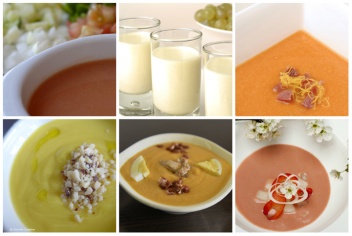
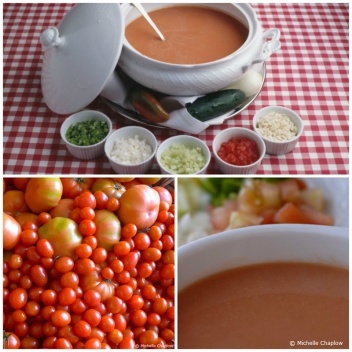
Gazpacho is one Andalucia's trademark dishes and a sign that summer is truly here. Why not try out some of these recipes suggested by food writer Janet Mendel, with Porra recipes from the kitchens of Arte de Cozina in Antequera and a special Cherry Gazpacho recipe from Alfonso Rodriguez.
There is most certainly a difference between grabbing a bite of something on the run, or sitting down at table to eat a meal the "right" way, and the Spanish are experts on making meals so much more than just sustenance.
Award Winning Food writer Janet Mendel, author of several books about Spanish cooking, provides a taste of Andalucía. In this instalment, she introduces you to paella and beyond.
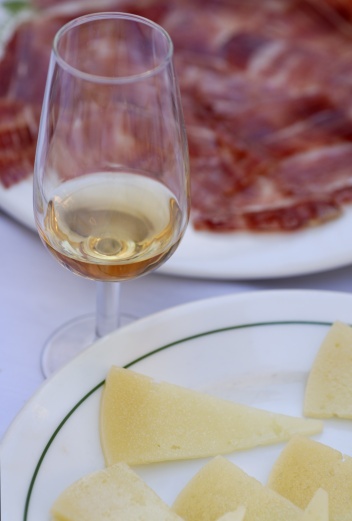
Few things can beat Sherry as a pre-meal apéritif. Ever since Sir Francis Drake ransacked the port of Cádiz in 1587 and made off with 3,000 barrels of Sherry, the British have been addicted to the stuff, and the UK continues to be one of the main international markets.
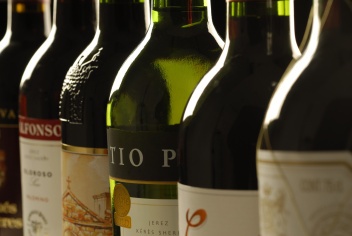
Andalucia has a long history of winemaking and produces several interesting and taste-worthy products you’re sure to enjoy.
With a wine-making tradition spanning more than 2000 years and with more vineyard acreage than any other country in the world, Spain is producing wines of increasingly good quality. Wine in Andalucia is produced in four "Denominación de Origen" areas. Beer (cerveza) is enormously popular in Spain, which is in fact one of Europe's major producers of lager.
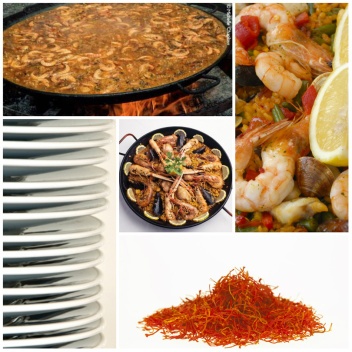
Paella is a golden rice dish which rates with the best rice dishes in the world. In Andalucía, paella is happy food, fiesta food, served for Sunday lunch or a picnic in the country. Beyond paella are more rice dishes which also make tasty eating.
In Andalusia, as in the rest of Spain, the feast of Christmas dinner takes place late on the night of Christmas Eve (Nochebuena) and normally goes on into the small hours of Christmas Day. Traditionally, the exchanging of presents is not until the 6th of January, on King's Day (Reyes) and so full attention is given to the cooking of an extravagant meal on the night of the 24th.
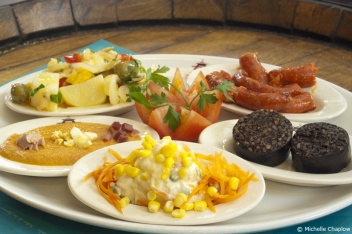
The pigs of Andalucia also contribute to the making of sausages, with red chorizo and black morcilla being the best-known. The villages in the vicinity of Ronda and Antequera (Málaga) are renowned for their sausages. Sausages, along with pulses, potatoes and vegetables go into hearty stews and soups that are winter fare.
Gazpacho, in one form or another, is nearly as old as these hills. It probably derives from a Roman dish, a gruel of bread and oil. The name gazpacho may come from the Latin caspa, meaning fragments or little pieces, referring to the breadcrumbs which are such an essential ingredient.
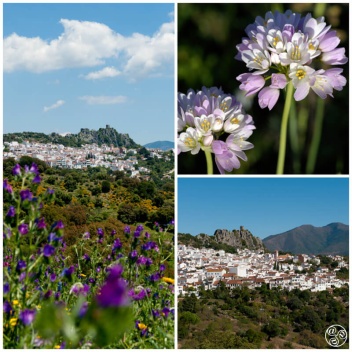
You can find a number of holiday villas for rent in the countryside around Gaucin. The space and the privacy of a villa, with or without a pool and staff, is an attractive option for visitors who prefer flexibility and freedom in their accommodation.
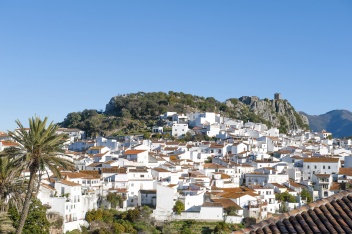
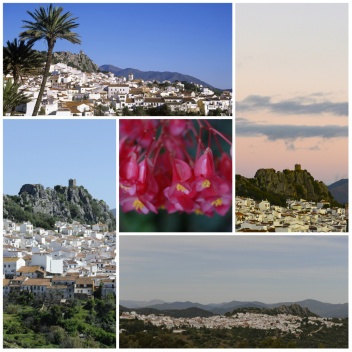
The town's magnificent castle, now called Castillo del Aguila (Eagle's Castle), dates from Roman times, although earlier Iberian ceramics have been found in its water tank. The castle was expanded by the Visigoths and then further extended by the Arabs into a fortress, after the Moors invaded in 714.
Gaucin is delightful village, to just stroll around in the sunshine and here we have highlighted the curiosities of the village. Walk into the village on Calle Luis de Armiñan, past the Convento de los Carmelitas, built in the 18th century and abandoned in 1835. Now owned by the town hall, this is used as a civic building and sometimes holds art exhibitions by the many artists living and working in the town.