Plaza Bocanegra
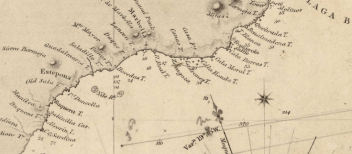
The square - or rather a traffic roundabout - at the start of the Golden Mile was named after one of Marbella's founders, local priest Monseñor Rodrigo Bocanegra (1908-1972).
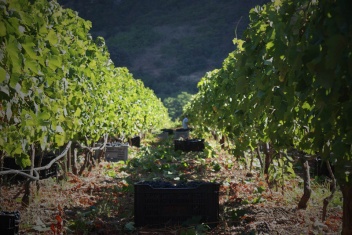
The area of wine production known as the Serrania de Ronda forms part of the DO Sierras of Malaga, producing what are popularly known as 'the Ronda Wines'. Here modern bodegas at over 750m altitude in the Serrania de Ronda produce young red wines from Romé, Cabernet Sauvignon, Merlot, Syrah, Petit Verdot and Tempranillo. Their white wine varieties include Chardonnay, Macabeo, Colombard and Sauvignon Blanc.
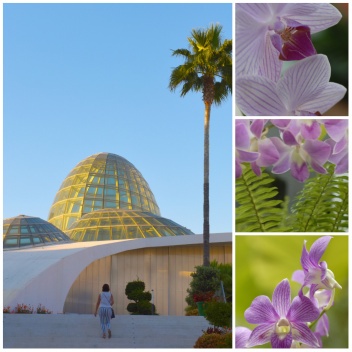
From the outside of the Orquidario, the state of the art building complete with three glass domes is eye catching, and from the inside it is pretty impressive too. There is much to catch your eye from the moment you step inside, from the 30m high central glass dome (the other two domes are 6m and 16m high) to the stunning display of plants.
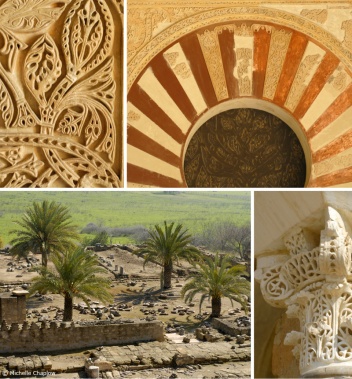
Madinat al-Zahra was declared a UNESCO world heratige site on 1st July 2018. We are in the year 400 of the Hegira, 1010 AD of our era. On the southern slopes of Jebel al-Arus, the Bride's Mountain, the marble, jasper and precious metals of the city of Madinat al-Zahra gleam in the morning sun among silver-leafed olive groves.
Art Galleries in Córdoba: Museo de Bellas Artes, Museo Taurino, Sala de Exposiciones Museísticas CajaSur, Centro Cultural Gran Capitán, Iglesia de la Magdalena, Casa Museo Arte sobre Piel, Sala Vimcorsa, Góngora Arte, AFOCO, Galería Clave, Galeria Carlos Bermúdez and more.
Located on the street of the same name, the church and hospital of San Juan de Dios are beautiful Baroque buildings well worth a visit and easily accesible, just off the Gran Vía.
The monastery was originally founded in Santa Fé by King Ferdinand and Queen Isabella during the reconquest of Granada. Following this success it was relocated to the city centre. Construction of this Renaissance Roman Catholic monastery and church began in 1504 and 1519 respectively.
Sanlucar is divided into the older quarter, the Barrio Alto where most of the interesting sights can be seen, and the newer Barrio Bajo, closer to the river.
This impressive, solidly-built Moorish fortification, which played an important part in early Spanish history, has been recently restored. As the southern-most point of the peninsula, Tarifa was an important strategic entry point into Spain and the rest of Europe for would-be invaders, so good defensive structures were essential.
The magnificent church of San Mateo is the main church in Tarifa, located in the centre of the old town on Calle Sancho IV el Bravo. All the town´s big weddings and religious festivals are held here. The church has a striking 18th-century Baroque facade, the crumbling stone of which stands out from the whitewashed walls of Tarifa. The belfry, painted salmon pink and decorated with Tuscan pilasters and a hemispherical dome top, is one of the most distinctive features of the town´s skyline.
In Gibraltar the following events take place throughout the month. Every Monday to Friday. The Integral Yoga Centre runs a full programme of Yoga classes at 33 Town Range. Everyone is welcome. More information on 956 741 389.
Gibraltar has plenty to offer for its more energetic visitors. The Rock is being promoted as an international yachting centre. There are already three major marinas to meet the needs of virtually every pleasure craft imaginable. The most modern marina is at Queensway Quay with 121 berths.
Judging from the number of sports and leisure associations in Gibraltar, this must be one of the most action-packed rocks in the world.
There is certainly no lack of things to do or places to visit during your stay in Gibraltar. Below we list some of the key sites to visit. Detailed information on all these can be obtained from any of the Gibraltar Tourist Board Information Centres. Tel: +350 20045000. Fax: +350 20074943 Email: [email protected]
There is no shortage of places to go in the evening. Hotel cocktail bars offer comfortable and sophisticated surroundings for a quiet drink or not so quiet, jazz performance or other live band. For a more informal evening, almost every street in town has wine bars and lively cosmopolitan pubs. Later you might dance into the small hours at one of Gibraltar's trendy disco pubs or enjoy a flutter at the Casino.
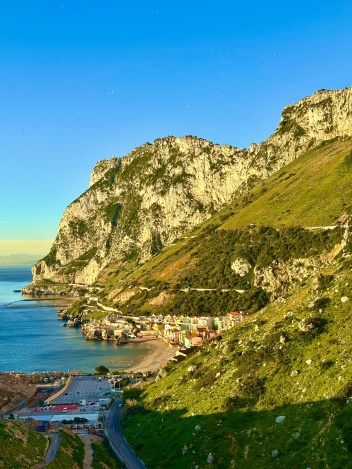
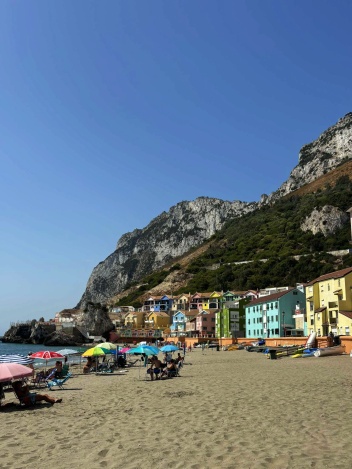
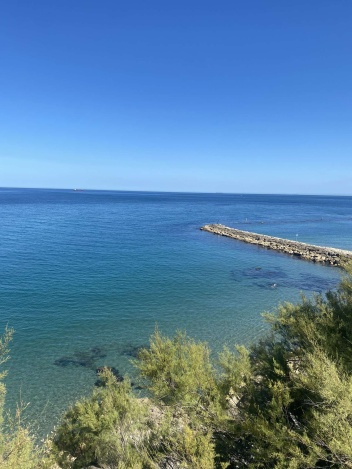
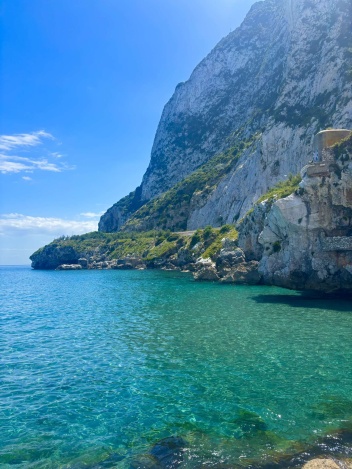
Gibraltar's beaches can be divided into eastern and western beaches. Those on the east side tend to be sandy, while those on the west side are typically rocky. The beaches are generally praised for being clean and well-kept.
Granada's excellent science museum is located just two kilometres (or a 15-minute walk) south of the centre of the city on Avenida del Mediterráneo, opposite the Convention Centre. Probably the most stimulating museum for children in Andalucia, although be warned that large, noisy school groups come in term-time, from Tuesday to Friday.
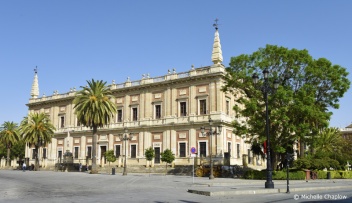
The Archivo General de Indias is situated next to the Cathedral, on Avenida de la Constitucion. This 16th-century building houses 80 million pages of documents and maps about the Indies (9km of shelving), Spain’s mighty empire from the 16th, 17th and 18th centuries, providing the most complete and documented historical view.
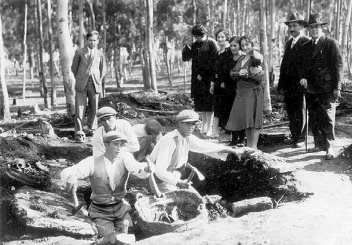
La Basilica de Vega del Mar was a Paleo-Christian (early Christian) church and necropolis (burial site), located near the coast just east of the mouth of the Guadalmina river, in San Pedro, Marbella. The area used to known as Vega del Mar, and is now known as Linda Vista.
Located next to the beach in the Guadalmina urbanisation, the baths date back to the 3rd century and were first discovered to be Roman in 1915. The solid mortar structure has survived the passing of history and weather well, particularly considering the location near the beach.