La Alpujarra of Granada

Órgiva

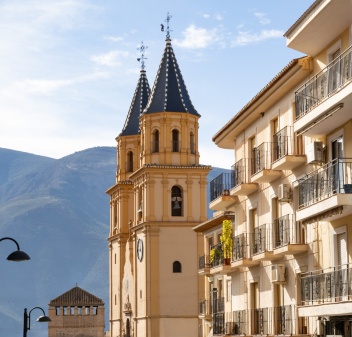
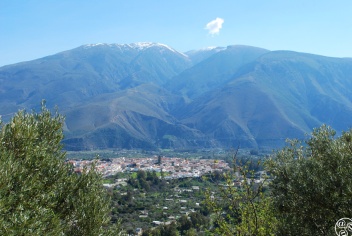
Located in the fertile valley of the Guadalfeo River, Órgiva is the largest town in the western Alpujarras. At an altitude of 450m, Órgiva enjoys a milder climate than many other places in the Alpujarras and is surrounded by olive, lemon and orange groves. Chris Stewart of 'Driving Over Lemons' fame lives nearby and his books have done much to boost the local tourist industry and attract more northern Europeans, mainly from the UK, to settle in the area. At last count, EU expats made up about a tenth of the town's 5,000 inhabitants. Órgiva has a somewhat bohemian atmosphere, as it is also a magnet for those seeking an alternative lifestyle. It has a population of around 5,700..
Almond Hill House

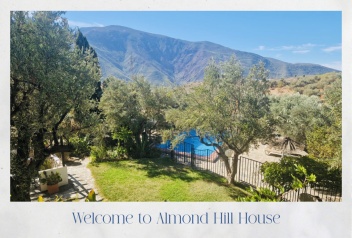
Almond Hill House is a magical guest house escape from the daily hustle and bustle. It's very tranquil yet near to Orgiva which has everything you need. The living areas are well equipped and the bedrooms are decorated tastefully with comfort in mind. There is a very homely and relaxed atmosphere making the characterful cortijo a lovely home away from home.

Sierra Nevada National Park

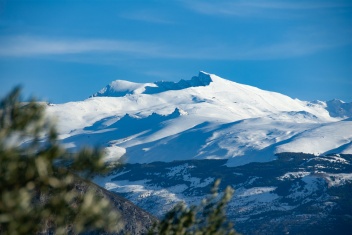
The Sierra Nevada is a dramatic, rugged and extensive mountain range, the highest in Europe after the Alps and the most significant section of the Cordillera Penibética. The protected area encompasses 86,208ha of torrential rivers, sheer-sided gorges, stony scree slopes, glacial lakes between snowy summits and, in the foothills of the Alpujarras, cultivated terraces of almond trees and vegetables.

Las Alpujarras

The region of mountain villages known as Las Alpujarras clings to the southern flanks of the Sierra Nevada, cloven by deep, sheltered valleys and gorges which run down towards the Mediterranean. 'The Alpujarra', as it is popularly known, in the singular, is famous throughout Spain because of its unique mini-ecology.

Castillejo de Poqueira

Castillejo de Poqueira was the Poqueira area's defensive castle and watchtower, offering impressive views of the entire region.

Iglesia de Santa Cruz

From a historical and artistic point of view, the church tower is the most interesting building. Built in the mid-eighteenth century, it contains a cemetery.

Ferreirola

La Tahá-Pitres was part of the Tahá de Ferreira, one of 14 areas established during the Nasrid occupation — the Moorish dynasty that built the Alhambra.

Puente Romano

The age of the Roman bridge of Fondales is unknown. However, its design appears to date back to the Islamic period of the 12th or 13th century.

Mecina-Fondales

La Tahá-Pitres was part of the Tahá de Ferreira, one of 14 areas established during the Nasrid occupation — the Moorish dynasty that built the Alhambra.

Pitres

La Tahá-Pitres was part of the Tahá de Ferreira, one of 14 areas established during the Nasrid occupation — the Moorish dynasty that built the Alhambra.

History of Almegíjar

The town's origins date back to the Neolithic era, as evidenced by artefacts found in the municipal area that date back to the time of settlement.

La Tahá

La Tahá was part of the Tahá de Ferreira, one of 14 areas established during the Nasrid occupation — the Moorish dynasty that built the Alhambra.

Laroles

Laroles is the largest of four villages that make up the municipal district of Nevada. It sits in between the rivers Bayárcal and La Ragua and is surrounded by lush chestnut groves. Within its village centre, the two churches are of interest to visitors.

Ugíjar

Ugíjar consists of five areas: Ugíjar, Cherín, Jorairátar, Los Montoros and Las Canteras. Granada poet Pedro Antonio de Alarcón once described Ugíjar as “aristocrática” (aristocratic). In Ugíjar, tourists can visit various buildings of historical and artistic interest, including Iglesia de la Virgen del Martirio, constructed in the 16th century in a typical mudéjar style.

Turón

Turón is a mountain village where visitors can enjoy rich gastronomy as well as cultural activities, and spectacular scenery. The origins of the village are in the Roman era; however, Neolithic tombs and stone axe-heads have also been discovered here. There are also some lead mines which have been abandoned since Roman times, when Turon was on the Via Herculea.

Torvizcón

Torvizcón is the largest town in the Contraviesa, the part of the Alpujarras between the Sierra Nevada and the sea. The village’s traditional whitewashed houses are silhouetted against the Sierra Nevada, and from anywhere on the outskirts visitors can enjoy amazing views, including over the Guadalfeo river.

Sorvilán

Sorvilán has a privileged location, nestled between la Sierra de la Contraviesa and the Mediterranean Sea, making it the perfect destination for lovers of rural tourism as well as for those who prefer sun, sand and sea. It is comprised of four different areas; Sorvilán, Alfornón, Melicena and Los Yesos. It has about 525 inhabitants.

Soportújar

This village, located in the Sierra Nevada National Park, has an important factor which distinguishes it from all the other Alpujarra villages: its altitude. This factor allows visitors to enjoy the majesty of the Sierra Nevada, and at the same time, get some great views of the Mediterranean Sea across the Valle de Órgiva.

Pórtugos

Pórtugos is truly a gift from nature: the village is the source of natural mineral waters with a high iron content; red in colour, they descend in a waterfall called La Fuente Agria. This waters appear at El Chorreón, where the water has worn its way through the rock, and pours through seven openings. The waters are particularly beneficial to people with anaemia, but only if imbibed directly from the fountain.