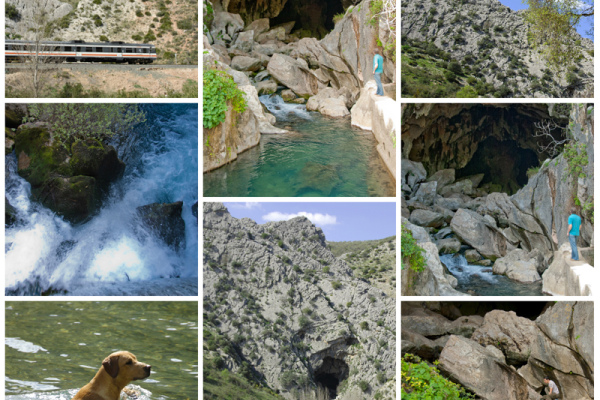
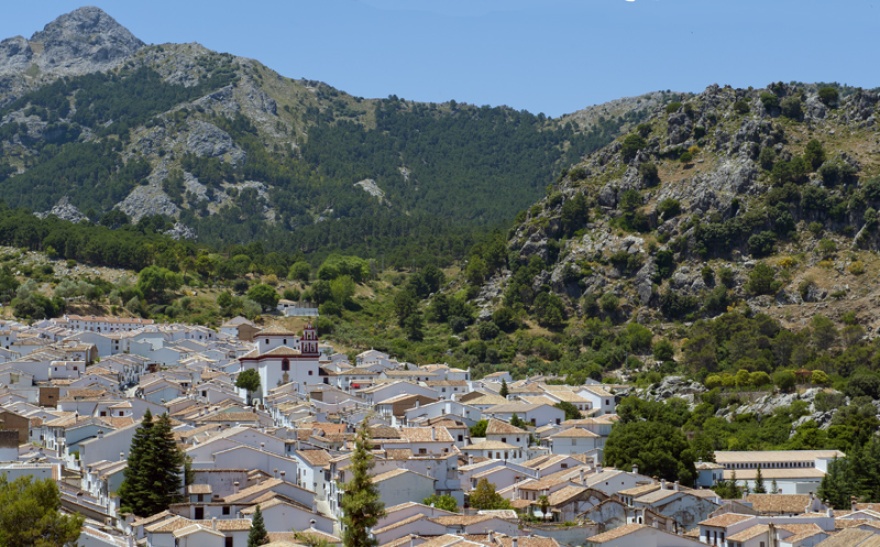
 A fine example of a craggy mountain landscape is the natural park of the Sierra de Grazalema © Michelle Chaplow
Karstic landscapes of Andalucia
A karst is a unique land type formed when slightly acidic rainwater slowly dissolves soft bedrock, key examples including sinkholes, caves, and underground streams.
Andalucía is home to some of the most spectacular and geologically significant karst landscapes in Europe. These formations, created by the dissolution of soluble rocks like limestone and gypsum, manifest both as dramatic "stone cities" on the surface and intricate cave systems underground. We recommend starting with El Torcal for its sheer visual scale or Sorbas if you are interested in the unique experience of exploring a gypsum cave system.
Locations to experience karsts in Andalucía
El Torcal de Antequera
Often described as one of the most impressive karst landscapes in Europe, El Torcal de Antequera is a "lunar" plateau of limestone dating back to the Jurassic period. Over millions of years, wind and rain have sculpted the rock into extraordinary shapes. It includes Natural sculptures such as El Tornillo (The Screw), La Copa (The Wine Glass), and El Adelantado. More>. Easty to visit with vehicle access, parking, cafe, signed footpaths.
Karst en Yesos de Sorbas
Unlike the limestone of El Torcal, the Karst en Yesos de Sorbas is a rare and world-renowned gypsum karst system. It is the most important of its kind in Spain and one of the best examples globally. A massive underground network of over 1,000 caves, including Cueva del Agua (the largest) and Cueva de Covadura (the deepest). There are guided caving tours are available through the Caves of Sorbas, ranging from basic family walks to technical caving routes.
Sierra de la Utrera
Located between Casares and Manilva on the western Costa del Sol, the Sierra de la Utrera is often called "the little Torcal." It features similar limestone outcrops and "lapiaces" (grooved rock surfaces) but is much less frequented by tourists, offering a more rugged and solitary experience.
Los Riscos de Cartajima
In the high mountains above the Genal Valley, Los Riscos presents another stunning limestone karst landscape. The elements have carved the rock into fantastic figures, such as El Águila (The Eagle).
Significant Karst Caves
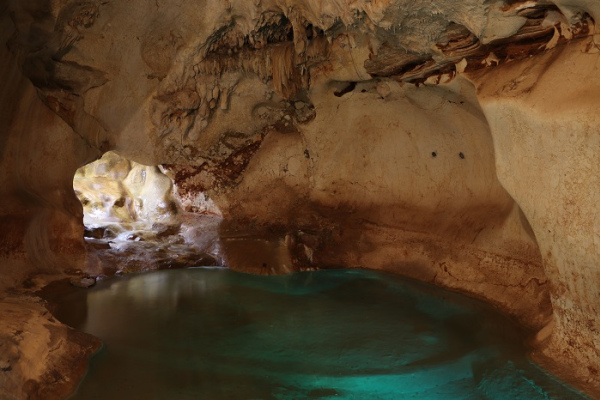
Many of Andalucía's most famous caves are the result of karst dissolution
Caves of Nerja
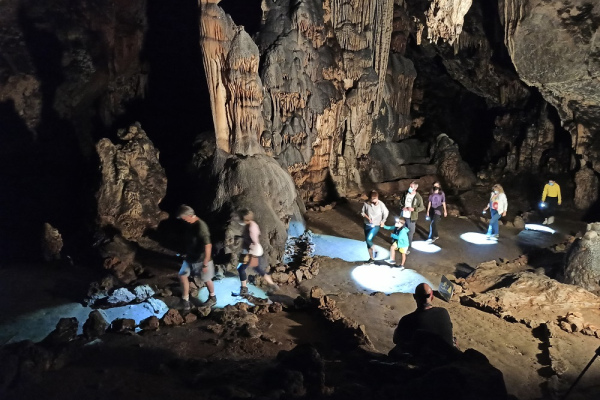
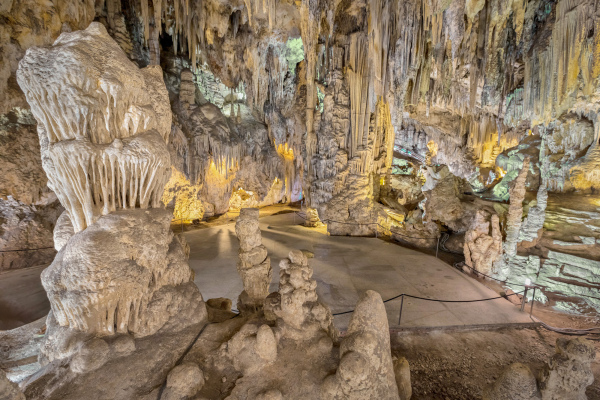
Massive caverns featuring the world’s tallest natural pillar (32 meters) and incredible stalactite formations.
Cueva del Gato
Cueva del Hundidero: Cueva del Gato is near Ronda and is a major karst resurgence system where an underground river flows through the mountain.
Cueva del Hundidero
Cueva del Hundidero is near Montejaque, near Ronda and is a major karst resurgence system where an underground river flows through the mountain.
Cueva de la Pileta
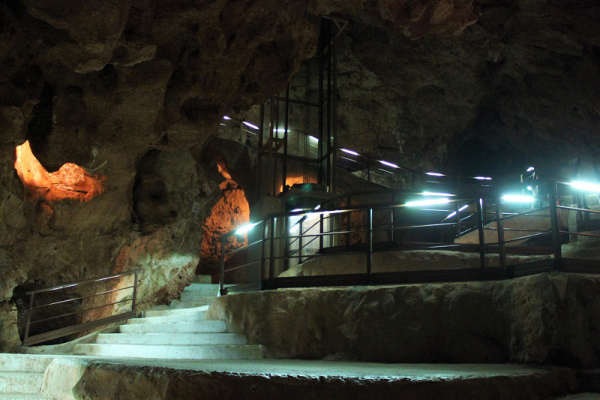
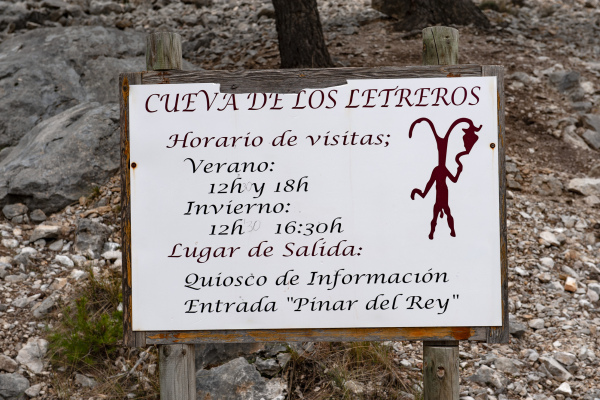
Cueva de la Pileta is near Benaoján, Ronda and is famous for its prehistoric cave paintings and bizarre karst formations.
Giant Geode of Pulpí
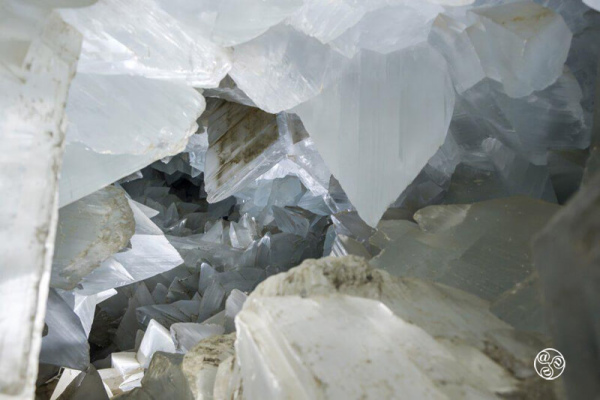
Giant Geode of Pulpí is near the coast in the north of Almería province. It is a unique geological marvel found within an abandoned silver mine, consisting of enormous, transparent gypsum crystals formed by karst-related processes.
Laguna de los Tollos
Laguna de los Tollos in Seville province. This is for a different perspective on karst, the Laguna de los Tollos near El Cuervo is a wetland originated by karst dissolution in Triassic saline materials, demonstrating how these processes can create vital aquatic ecosystems.