Latest Pages

Latest pages

We are committed to updating our pages as regularly as possible, allocating over half of our editorial resources to this essential task, to ensure that you can always find the latest, most reliable information on popular topics and places.

Here is a list with the latest pages that have been updated or created. Most recent are at the top of the list.
Practical Information

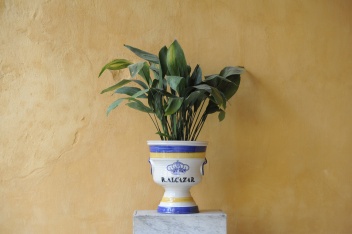
You enter the Alcázar though the red Puerta del Leon (Lion’s Gate) situated at the corner of Calle Miguel de Mañara and Calle Santo Tomas. The exit is on Patio de Banderas, which leads back onto Plaza del Triunfo, and also into Barrio Santa Cruz via Calle Juderia.

Day visits
October to March: 9.30am - 6pm
April to September: 9.30am - 8pm

Night visits (see below)
March and October: every half hour from 7.30pm to 9pm
April to September: every half hour from 9pm to 10.30pm

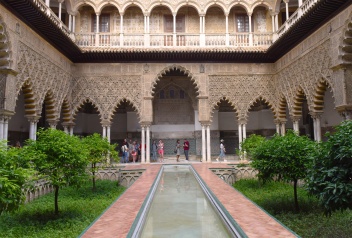
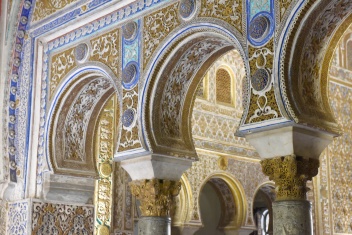
Moorish Alcazar

In the 10th century, the seat of power in Andalucia for the ruling Ummayad caliphate was Cordoba. From the 11th century the region devolved into taifa states, of which Seville was one, ruled at first by Abderraman III. In 1147 the Almohad dynasty arrived, aiming to return the region to stricter adherence to Islam, and declared Seville as its capital.

Alcázar Gardens

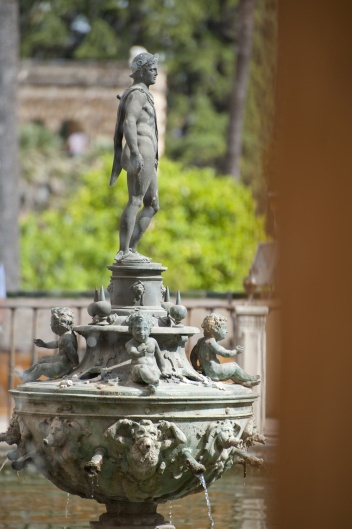
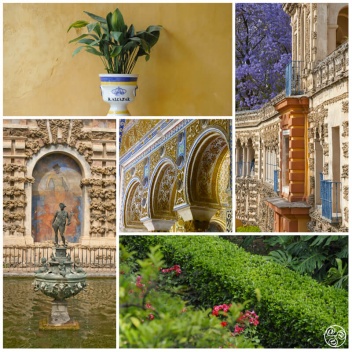
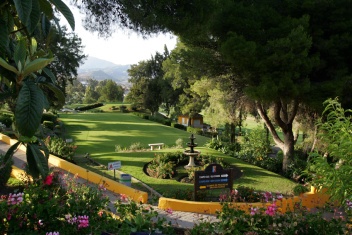
The grounds of the Alcázar are extensive and fascinating, so be sure to leave yourself plenty of time to wander around the whole palace and gardens - two to three hours minimum. These were the orchards of the palace in Moorish times, providing food for the royal court, as well as aesthetic value.

Atalaya Old Golf Course

While the experts might find the challenge a little limited, the average club golfer will certainly find it quite enough to handle as the greens are sharply contoured and quick. Pleasant, flat parkland course with many bunkers, wide fairways and elevated greens.

Festival Cascamorras

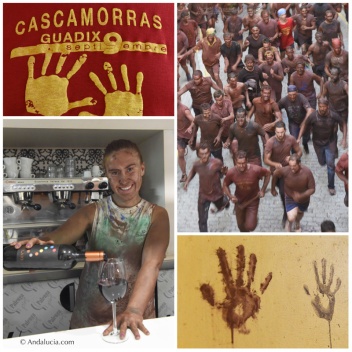
Cascamorras festival in Guadix and Baza has been declared a Fiesta de Interés Turístico Internacional (Festival of International Tourism Interest) due to its intriguing history. Although the festival is relatively little-known outside Granada province, by latest estimates up to 20,000 people take part, running through the streets and covering each other in black olive oil in Baza and coloured paste in Guadix.

Natural History in Gibraltar

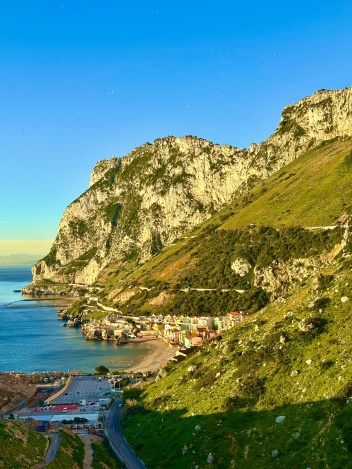
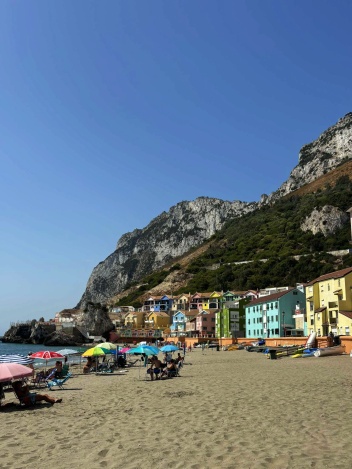
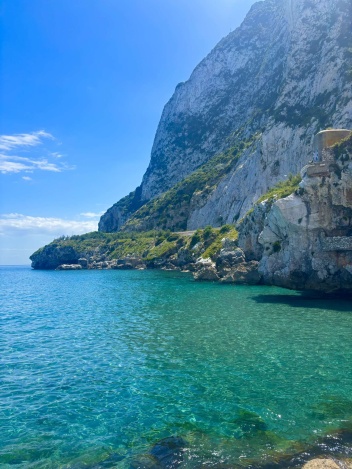
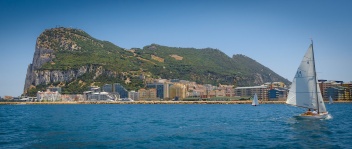
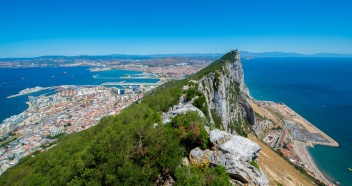
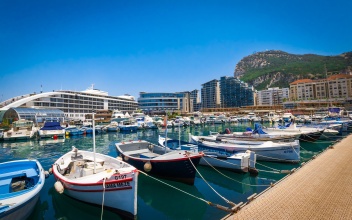
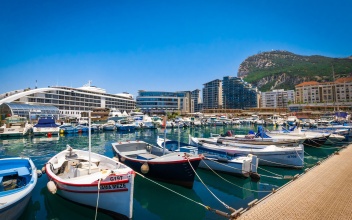
The Rock of Gibraltar is a giant slab of jagged Jurassic limestone. It has dominated the Straits of Gibraltar for around 200 million years and of course over such a period has continually changed and evolved. The porous limestone ensures that the Rock always has a plentiful water supply. So when nearby Spain is often arid and brown the Rock will be lush and green.

Book your stay in Andalucia Now!