Latest Pages

Latest pages

We are committed to updating our pages as regularly as possible, allocating over half of our editorial resources to this essential task, to ensure that you can always find the latest, most reliable information on popular topics and places.

Here is a list with the latest pages that have been updated or created. Most recent are at the top of the list.

Festivals in Pulianas

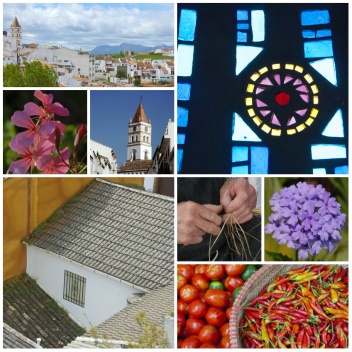
Popular festivals in Pulianas are Cabalgata Reyes Magos, La Candelaria, Carnaval, Jueves Lardero, Semana Santa, May Crosses and Fiestas Patronales en Honor a Nuestra Señora de los Remedios y del Rosario

Huércal Overa

The area surrounding Huércal Overa is a haven for lovers of hiking. Visitors should especially look out for the walking program organized every year by the Town Hall. The town has around 18,800 inhabitants. It is said the origin of Huércal-Overa can be pinpointed to the Moorish period, with two castles forming, together with other fortresses.

Albánchez

Albánchez is known for its vast production of citrus fruits and pears. The main economic activity of the town, however, comes from the marble taken from the local quarries. It has around 750 inhabitants.

History of Semana Santa

If you really want to understand Semana Santa in Andalucia, then you need to learn about the groups of people who are at the heart of it all - the cofrades or members of cofradías, the religious associations that care for the images of Christ and Mary that are used in the processions and that meet throughout the year for various activities and to plan the next Holy Week celebrations and events in their local area.

Córdoba Airport

There are summer scheduled in 2025 from Cordoba to La Palmas de Gran Canaria. In the summer of 2024 Air Nostrum made seasonal scheduled flights to Las Palmas de Gran Canaria and Palma De Mallorca on behalf of Iberia. There are also some charter flights. Cordoba it is popular for general aviation services and for pilot training. Cordoba airport is open to national and international (Schengen only) flights.

Armuña de Almanzora

Armuña del Almanzora once had an impressive castle, however, nowadays only the ruins remain on the edge of the village centre. The town is well known for its delicious peaches and apricots. It has around 320 inhabitants. Some archeological sites have been unearthed that demonstrate former Roman presence in these lands. Later, in medieval times, the community developed the name it holds today.

Bacares

Bacares has a strong mining history, and is one of the most rustic towns in the whole of the Almeria province. For keen horse riders, Bacares and its surrounding areas have some wonderful routes to explore on horseback. It has around 230 inhabitants. It is suggested that Bacares may have Phoenician or Tartesso origins, due to the richness of its mines.

Alfacar

Alfacar is one of the entry points into to the Sierra de Huétor Natural Park. The area surrounding the village is wonderful for trekking and there are many paths to follow. Alfacar is also known as the place where Spain’s famous poet Federíco Garcia Lorca was shot during the Spanish Civil War. The village has therefore dedicated a park to his memory and that of others executed during the war. Alfacar has a population of around 5,200.

Alcóntar

Alcóntar is the source of the Almanzora River and its surrounding geographical features make for one of the most naturally beautiful landscapes in the area. The main economic activities of the town are the production of almonds and cold meats and the dry curing of ham. The town also benefits from a natural water spring of great quality. It has about around inhabitants.

Bayarque

Bayarque is an ideal destination for nature lovers or those seeking peace and quiet. The countryside surrounding this Almerian town is especially beautiful and features large vegetable gardens in the meadows, dense woodland and the ‘Pinar de Bayarque’ pine grove. The town has around 200 inhabitants. Before the Moorish revolts of 1568.

Chercos

Human presence in Chercos can be traced back to prehistoric times, with evidence like cave drawings dating back to two millennia before Christ. The village now has around 280 inhabitants. According to Oliver Asín, the name ‘Chercos’ derives from the Mozarab word yerku, which means “the oak”. This is likely because of the oak trees that would have surrounded early settlements in the area.

Cóbdar

Cóbdar is situated within the Filabres mountain range, where many cave engravings and paintings have been discovered, similar to those in Chercos. It has around 140 inhabitants. The town’s name comes from the Arabic qawda, which means ‘high mountain peak’, referring to the white marble hill of La Piedra. Abundant remains from a Neolithic settlement from 3,000 BC have been found in La Cueva del Castillico.

Cantoria

Cantoria is the town where Don Juan de Austria established his main encampment and where his troops actively participated in the expulsion of the Moors during the sixteenth century. It has around 3,200 inhabitants. The origin of the name of Cantoria is unknown, however, it is likely connected to the Moors, who called the town Canturia. Other sources suggest that the name relates to neighboring Oria, a Castilian name.

Fines

The economic activity of Fines is based on the harvesting of wheat, grain and vegetables, as well as marble work. It has around 1,900 inhabitants. Many archaeological remains have been found in the town in the Loma de la Estación and in the Rambla de las Arcas, both of which date back to the Bronze Age. These discoveries include some Roman artifacts.

Laroya

Laroya is filled with beautiful, traditional architecture that has remained unaffected by modern construction over the years. It has around 170 inhabitants. It is thought that the name of Laroya comes from an Arabic term meaning “casserole” or “pot”, due to the town’s situation nestled between mountains. Its history dates back to the Al-Andalus period.

Oria

Oria is home to numerous archaeological remains, the vestiges of its turbulent past, which accompany a varied landscape of green areas and rock forms at the edge of the Sierra de las Estancias. From here, there are unrivalled, spectacular views of the province of Almería. The town has around 2,250 inhabitants. Archaeological remains have been found in the well-known area of El Picacho.