Latest Pages

Latest pages

We are committed to updating our pages as regularly as possible, allocating over half of our editorial resources to this essential task, to ensure that you can always find the latest, most reliable information on popular topics and places.

Here is a list with the latest pages that have been updated or created. Most recent are at the top of the list.
Cantoria

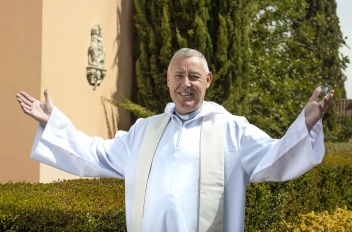
Cantoria is the town where Don Juan de Austria established his main encampment and where his troops actively participated in the expulsion of the Moors during the sixteenth century. It has around 3,200 inhabitants. The origin of the name of Cantoria is unknown, however, it is likely connected to the Moors, who called the town Canturia. Other sources suggest that the name relates to neighboring Oria, a Castilian name.

Central Guadalquivir Valley

The Río Guadalquivir flows slowly westwards towards Seville through the fertile heart of Cordoba province, with some interesting towns situated on the river plain.

Alsodux

Alsodux, like many other villages in this part of Andalusia, is built around the site of an old farmhouse located strategically between the Nacimiento River and the entrance to Guadix. It has around 125 inhabitants. Historians have traditionally translated the village’s name as “sixth”, thought to come from the Arab word “al-sadis” or from “sodux” in the Andalusí dialect.

Puente Califalf, Pinos Puente

The bridge, which is classified as a Caliphate bridge, has been designated a Site of Cultural Interest since 1922. While the exact date of its construction is unclear, the bridge has undergone various reconstructions and alterations over the centuries, suggesting that it may have been built during the Roman era (Fernández, 2013)

Cuevas del Almanzora

Cuevas de Almanzora owes its name to its caves (cuevas) and the Almanzora river that runs through it, and offers visitors a rich variety of things to do, including an excursion to the cave houses of Calguerín. Among over 200 excavated caves in the rocky cliff face, some have been set up as rural lodgings providing accommodation, and one as a museum.

Jabalquinto

The village of Jabalquinto has been occupied since the Copper Age or Bronze Age and in the Roman era was thought to be the scene of a Battle Baecula in 208BC as part of the Second Punic War between Rome and carthage.

Baños Árabes

The Arab baths are located within the medieval farmhouse in a peripheral area.

Cádiz Province Museums

Museums in Cádiz province: Museo Municipal, Museo Tesoro Parroquial, Museo Monográfico de Baelo Claudia, Colección de Relojes and more.

Gardens in Huelva

The garden of Villa Onuba, at Fuenteheridos, stands out with its fine examples of Spanish fir and Sequoia.

Festivals in Tahal

The Festivals in Tahal are Cabalgata de Reyes Magos, Día de Andalucía, Semana Santa, Fiestas del Verano and Fiestas del Santo Cristo del Consuelo.

Dos Torres

Dos Torres has a unique gothic style church, Iglesia de la Asunción, with a Mudejar-coffered ceiling. The town has about 2,400 inhabitants.

Escacena del Campo

Escacena del Campo is the most eastern village of the province of Huelva and offers landscapes painted with fields of sunflowers, cereals and olive trees. Close by is Pata del Caballo, a natural area with a large population of wild boars. It currently has about 2.200 inhabitants.

Book your stay in Andalucia Now!