Latest Pages

Latest pages

We are committed to updating our pages as regularly as possible, allocating over half of our editorial resources to this essential task, to ensure that you can always find the latest, most reliable information on popular topics and places.

Here is a list with the latest pages that have been updated or created. Most recent are at the top of the list.
Santa Fé

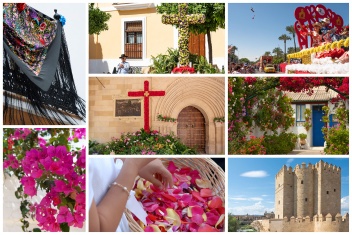
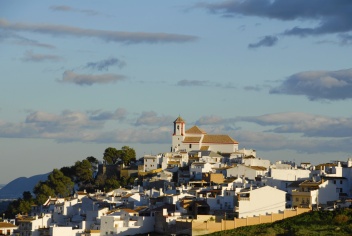
Santa Fé is an unassuming town just 11 kilometres west of Granada City with a population of approximately 14,000. While it may not at first appear to be the most remarkable destination in Andalusia compared to the many pretty villages, towns and cities, it played a key role in Spain’s history.

Bus Service in Santa Fé

There is a bus service from Santa Fé to Granada City using the local bus company. There are various bus stops around Santa Fé.

History of Santa Fé

In its beginning, Santa Fé was a military camp of approximately 48ha created by the Catholic Monarchs in preparation for the final assault on the Nasrids (Arab dynasty) of the Kingdom of Granada. Out of the army camp grew an imposing town of bricks and mortar within a record time of just 80 days. The town’s structure follows the form of a cross based on two roads that intersect in the centre

La Almoraima Estate / La Finca Almoraima

The  La Almoraima estate in Castellar de la Frontera occupies 14.000 hectares and is one of the largest estates in Spain. Agriculture, forestry, cork, hunting and tourism are main industries on the estate. A vast quantity of cork is produced from the cork oak trees, quercus suber which are stripped of bark each summer on a seven year rotation. The estate lies within the Parque Natural Los Acornocales.

Jun

Jun is located at the edge of the Sierra de Huétor natural park, in the centre of the Granada lowland. The village offers a great combination of natural landscapes and a wealth of heritage and tradition. Jun has origins dating back to Roman times; remains of gravestones have been found with mention of the village. The Roman population was followed by Visigoth and Muslim settlers.

Calicasas

Calicasas is also known as La Campana Granadina (Bell of Granada) because the bells ringing in the Alhambra Palace in Granada could also be heard in Calicasas. The village has narrow streets, and the Arroyo Bermejo (Bermejo River) runs through it.

Huétor Santillán

The proximity of Huétor de Santillán to Granada city does not stop visitors from enjoying the great outdoors; the town is located in the Sierra de Huétor natural park, which gives the village its name. Huétor de Santillán was originally a Moorish town, and its narrow streets haven't changed much since then. In the village centre you'll find its grandest monument: la Iglesia parroquial de la Encarnación.

Güevéjar

This village is the definition of survival - it has been hit by two earthquakes during its long history. The first was the famous Lisbon earthquake of 1755, which destroyed a large part of the village. The second, considerably more devastating, earthquake hit in 1884 – this one opened cracks in the ground so big that authorities were advised not to reconstruct the village.

Beas de Granada

An old legend still attracts treasure seekers to Beas de Granada where it is said a wealthy merchant once hid his fortune before heading off to war. In reality, it is believed he hid his wealth in one of two identical statues, one of which was torn down in the search for the treasure. It seems the remaining statue was somehow able to prove its innocence without having to be toppled over.

Bus Service in Beas de Granada

There is a bus service from Beas de Granada to Granada City using the local bus company.
The bus stop in Beas de Granada is in Plaza Alta.

History of Beas de Granada

Beas de Granada’s origin dates back to the time of the Roman Empire. The oldest documentary references place it on the Roman road to Acci (modern-day Guadix). The name is believed to come from the Latin word Viax, meaning road.