Do you want to find out some little-known interesting facts about Andalucia’s most famous towns, cities and pastimes? Which films were shot in Seville, why the Mezquita was built with its pillared arches, which Beatle loved Almeria, who brought golf to Andalucia?

Our Fascinating Facts series are five snippet-sized unusual pieces of information about well-known places you’re likely to visit while you’re in Andalucia.

Seville City - Fascinating Fact 6

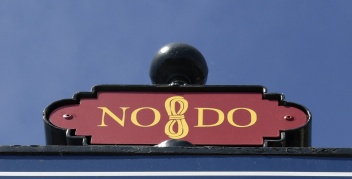
Visitors to Seville will notice a symbol on many signs around the city, from taxis and buses to sewer covers, consisting of the letters ´NO8DO´. This is the city´s logo, and legend says that it originates from the 13th-century coat of arms awarded to Sevilla by King Alfonso X the Wise.

Cadiz Carnival - Fascinating Fact 3 - Dress up

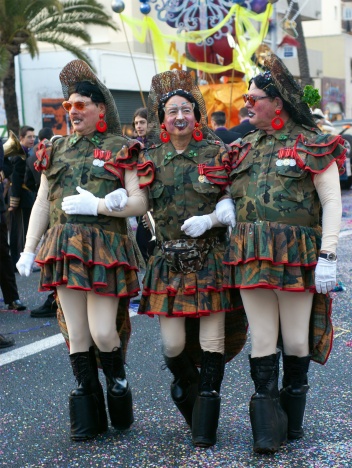
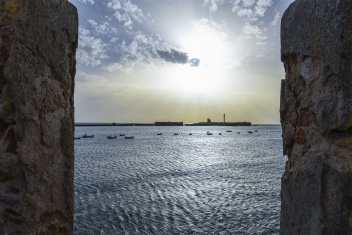
Costumes at the Cadiz Carnaval are about more than doing clever things with face paint and papier mache; they are social levellers. Going back centuries, disfraces were essential in breaking down social barriers, helping classes to come together, providing freedom from repression. People could let loose, follow their instincts, dress up as duchesses or peasants, or fantastical creatures.

Golf - Fascinating Facts - Fact 3

Andalucia has one of the world's top courses. In Sotogrande close to Gibraltar, is widely acknowledged as being one of the best courses in the world, and number one in continental Europe.

Bullfighting - Fascinating Facts 3

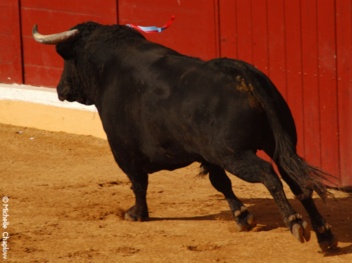
As of July last year, bullfighting in Catalonia is banned, joining the Canary Islands in bidding goodbye to La Fiesta. There are strong anti-bloodsports movements in other parts of Spain - even Andalucia, which is considered its home (see FACT IV) - though it remains to be seen if or when these people will achieve their aim in ensuring that trajes de luces (suits of lights, worn by bullfighters) only appear as museum pieces. An estimated 150,000 people are employed in the sport in Spain, from bull-breeders to suit makers.

Malaga City - Fascinating Fact 3

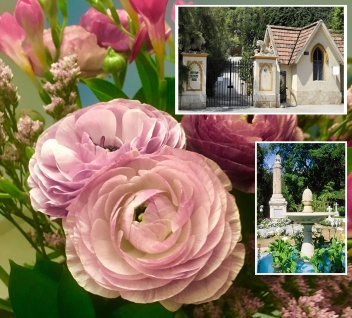
In the 19th century, Malaga was popular with well-to-do Brits recovering from illness. Its mild climate made it ideal for those with a weak constitution, but many succumbed while living here. At first, infidels (non-Catholics) were buried upright in the sand at night, so their bodies would often reappear on the beach. Then in 1830 the British consul finally obtained a plot of land for an English cemetery, outside the city walls. Its more illustrious inhabitants include the writer Gerald Brenan and his wife, poet and novelist, Gamel Woolsey.

Jerez de la Frontera - Fascinating Fact 3

Fortified wines were first exported to England from Jerez as long ago as the 14th century; some British Catholics fled here in the 16th century and started up as wine-traders. Later, in the 17th century, others opened their own bodegas (Garvey, Duff-Gordon, Wisdom & Warter).

Jaen City - Fascinating Fact 3

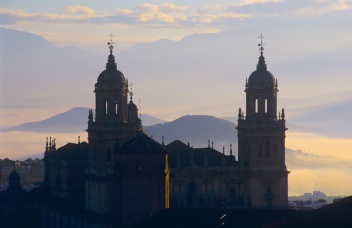
Inside Jaen´s impressive Renaissance cathedral, behind the high altar, is a much-prized religious artifact: a cloth said to have been used by St Veronica to wipe Christ´s face as he carried the cross to Golgotha. The lienzo del Santo Rostro (cloth of the Holy Face) has an image of his countenance, allegedly, and is housed in its own chapel.

Huelva City - Fascinating Fact 3

As well as building impressive new residential areas, theatres and railways (see Fact 1), the British Rio Tinto mine workers (see Fact 1), who lived in and near Huelva, had a profound and lasting effect on Spanish life - they introduced football to Spain.

Granada City - Fascinating Fact 3 - Alhambra

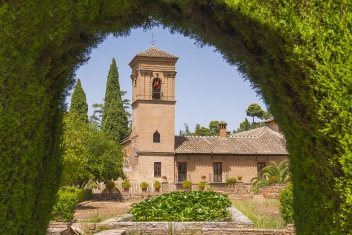
The intricate interiors of the Alhambra are as instructive as they are exquisite. Under Islamic law, no depictions of living beings (people, plants or animals) are allowed, so instead the walls and ceilings are covered with symbolic, geometrical patterns, as well as the Nasrids´ motto.

Almeria City - Fascinating Fact 3

It's not well known that John Lennon wrote Strawberry Fields Forever in Almeria. He lived in the city in autumn 1966, filming the part of Private Gripweed in Richard Lester's black comedy How I Won the War in the nearby desert at Tabernas. Lennon first stayed in an apartment near El Zapillo, one of the city`s beaches, then he moved to the more spacious 19th-century mansion, Santa Isabel, on Camino de Romero (known locally as Cortijo Romero), with his then-wife Cynthia.