Do you want to find out some little-known interesting facts about Andalucia’s most famous towns, cities and pastimes? Which films were shot in Seville, why the Mezquita was built with its pillared arches, which Beatle loved Almeria, who brought golf to Andalucia?

Our Fascinating Facts series are five snippet-sized unusual pieces of information about well-known places you’re likely to visit while you’re in Andalucia.

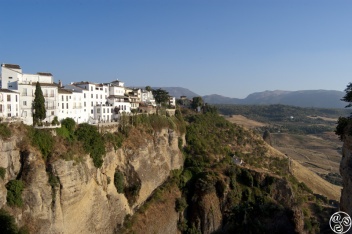
Ronda - Fascinating Fact 3 - Cave art

Cueva de la Pileta is 15km south of Ronda, and is well worth seeing unless you suffer from claustrophobia or hate bats. These prehistoric cave paintings of fish, goats, horses and bulls, as well as abstract symbols, in charcoal, red and yellow, date from the late Palaeolithic period (3rd century BC).
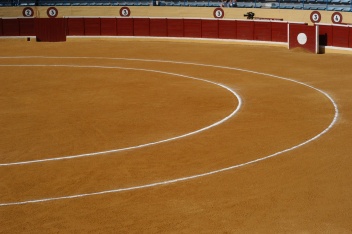
Bullfighting - Five Fascinating Facts

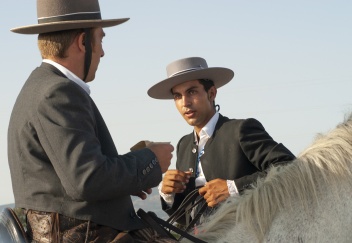
Bullfighting is a subject which divides people like no other, you either love it or hate it; you're an aficionado, with your preferred matadores, who can discuss technique and arte or you can't take the blood. It's about drama and colour of the spectacle, the passion of the audience and the courage and skill of the man (nearly always, Almodovar's female matador was the exception) himself.

Seville City - Fascinating Fact 7

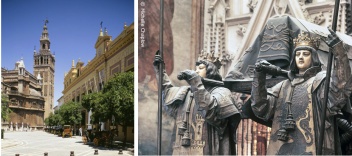
One of the most controversial of Seville´s many claims is that Cristobal Colón (Christopher Columbus) is buried here, in Sevilla´s mighty Gothic cathedral, variously described as either the third, second or biggest cathedral in the world (the other contenders being St Peter´s in Rome, and St Paul´s in London), depending on who you talk to.

Bullfighting - Fascinating Facts 4

Two of Spain's most prestigious bullrings are in Andalucia. Seville has the 18th-century Maestranza, known as the Catedral del Toreo (Cathedral of Bullfighting) and seating 14,000, while Ronda is where Pedro Romero invented modern bullfighting, on foot as opposed to on horse back (see FACT II), in the 18th century. Sevilla's bullring has its most important bullfights during the Feria de Abril, the Spring Fair, while in Ronda's Maestranza (the name for the horsemanship order which runs the bullring) the Goyescas in September see matadors wearing period costume from the Goya era.

Huelva City - Fascinating Fact 4

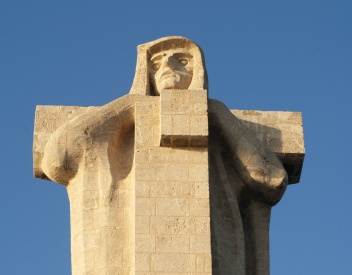
Returning to the omnipresent theme of Sr Colon, visitors to Huelva will find a host of modern-day monuments to the revered explorer. American sculptor Gertrude Vanderbilt Whitney's 37-metre Cubist statue sits at Punta del Sebo, where the Tinto and Odiel rivers merge. It depicts a Franciscan friar from La Rabida (see Fact II), not Colon himself as many people incorrectly assume, and is a homage both to Colon and the Christian faith.

Granada City - - Fascinating Fact 4 - Public Baths

Visiting the ´´hammam´´ or public bathhouse was an essential pastime, both for hygiene and social reasons, in Moorish Granada - they were important meeting places for both sexes (on separate days), as well as having religious significance.

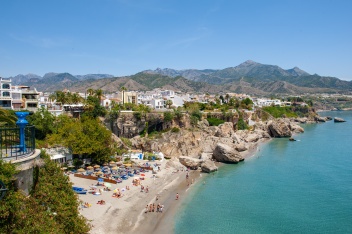
Nerja - Five Fascinating Fact 4 - Party On

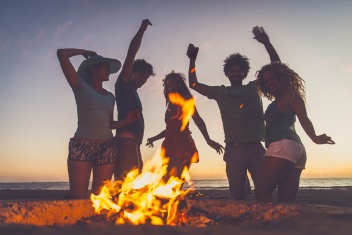
One of the biggest and most well-know all-night beach parties takes place on La Noche de San Juan (the eve of St John's Day). On the evening of 23 June, all the townsfolk of Nerja, and plenty of visitors too, head down to the shore, armed with tents, barbeques and copious liquid refreshment, to camp on the beach (normally prohibited) and grill sardines.