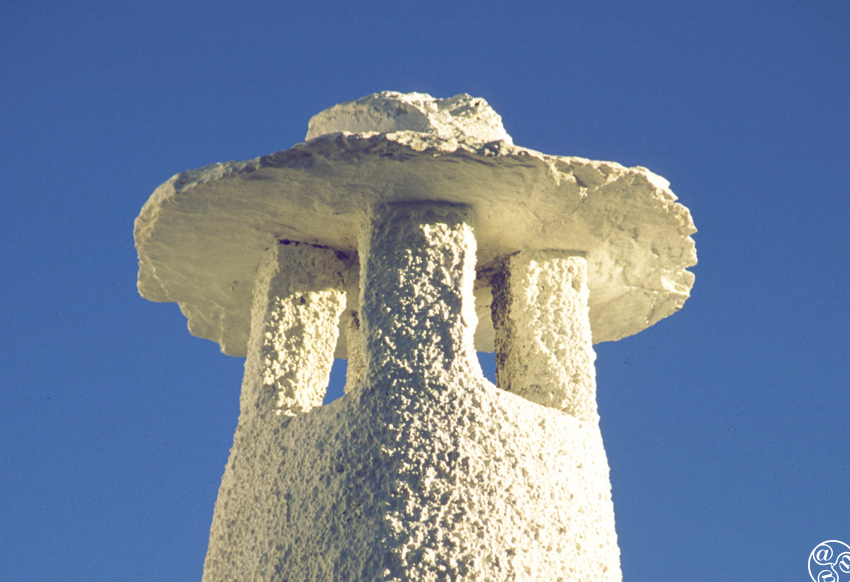
 Local architecture in Aplujarra de la Sierra
ALPUJARRA DE LA SIERRA
Alpujarra de la Sierra was founded in 1973 by the fusion of two separate villages, Yegen and Mecina Bombarón, along with a hamlet called El Golco and some smaller outlying areas. Yegen is a must-see destination for students of the life and work of Gerald Brenan. The beautiful surroundings and traditional architecture have made it an attractive destination for rural tourism enthusiasts and lovers of sports such as hiking, mountain biking and horse riding. It has a population of around 940 inhabitants.
HISTORY
The Alpujarra has been, throughout the millennia, the scene and silent witness of countless historical events. The Syrians and Phoenicians were the first people to establish commercial relations with the native colonies of the Spanish Mediterranean and were the possible founders of Sex (Motril), Ábdera (Adra), Sexi (Almuñecar), etc. More>
THINGS TO SEE
Iglesia Parroquial de San Miguel Arcangel (Mecina Bombarón)
The current church dates to the mid-eighteenth century. The original church was built around 1539 and was a temple with three naves and a separate main chapel. More>
Iglesia del Dulce Nombre del niño Jesús (Yegen)
The church has a meticulous Mudejar coffered ceiling with an interior that particularly stands out for its simplicity and beauty. More>
Iglesia de Nuestra Señora Araceli (Golco)
Built in the sixteenth century, the church features a vault on pendentives, a nave and a separate main chapel with a square floor plan. More>
Casa Museo y Centro de Estudios sobre Gerald Brenan (Yegen)
This initiative aims to celebrate the life and work of the writer Gerald Brenan, and also serves as a cultural attraction for visitors. More>
Exposición Permanente de Fotografía: La Alpujarra de Rafael Vilchez (Mecina Bombarón)
This is the first museum of its kind in La Alpujarra, inaugurated on 19 August 2000. More>
Museo Fotográfico (Yegen)
This small museum houses a large collection of photographs of the town and its people. More>
COUNTRYSIDE WALKS
Each of these trails allows visitors to enjoy the sound, the landscape or the native flora and fauna of the local mountains and the rich and varied heritage of livestock trails that the Alpujarra has accumulated over its long and extensive history as a meeting place for Roman, Arab and Christian cultures. Hiking routes such as El Sendero de las Acequias, El Sendero de las Encinas, El Sendero Gerald Brenan and Sendero La Salud offer different experiences depending on the time of year that they are taken. In Spring, visitors can admire the impressive waterfalls that are formed due to the melting of the Sierra Nevada. The trails are perfectly signposted so routes are easy to follow.
GASTRONOMY
The Alpujarra cuisine is based on the variety and richness of local products, such as fruit and vegetables, cereals, goat, almonds, corn, garlic, fennel, honey and green beans. The typical dishes of the village are the olla de hinojos (fennel stew), gachas de “ajo quemao” (garlic porridge), gachas de caldo colorao (broth porridge), guisaillo matancero (pork stew), potaje de castañas (chestnut stew) and escabeche de pescado (escabeche). Sweet treats include buñuelos (dumplings), spolillos de almendra (almond meringues), pan de higo (fig bread) and roscos de vino (doughnuts).
Book Hotels in Alpujarra de la Sierra

BUS SERVICE
There are bus services from Alpujarra de la Sierra to Granada and Ugíjar. More>
FESTIVALS
Popular festivals in Alpujarra de la Sierra are Fiestas de San Miguel, Romería de la Virgen de Fátima, Fiesta de San Juan, Semana Santa and Virgen Fátima. More>
WEATHER FORECAST
The weather forecast for the next few days for Alpujarra de la Sierra. More>
TOURIST OFFICE
The tourist office of Alpujarra de la Sierra is located in the Town Hall. More>
NEARBY PLACES
The neighbouring villages to Alpujarra de la Sierra are Bérchules, Válor, Ugíjar and Cádiar.
