Natural Parks

Los Alcornocales Natural Park

This vast park covers 167,767ha from Tarifa in the south to the Sierra de Grazalema Natural Park in the north. It is named after its handsome and beautifully kept cork tree grove, the largest in the Iberian Peninsula and one of the most important ones in the world.
Sierra Norte de Sevilla

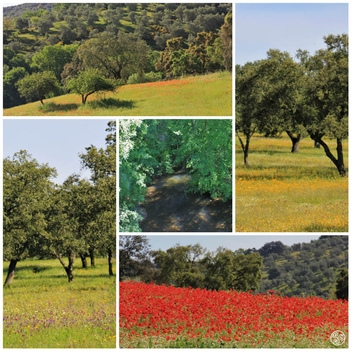
The central section of the immense Sierra Morena is made up of the extensive and sparsely populated Sierra Norte de Sevilla Natural Park, a landscape of gently rolling hills clad in dense evergreen oaks. It's similar to the adjacent natural parks of the Sierra de Aracena y Picos de Aroche and Hornachuelos, in the provinces of Huelva and Cordoba respectively.

Sierra de Grazalema Natural Park

Designated a Unesco Biosphere reserve in 1977, the Sierra de Grazalema was declared the first natural park in Andalucia in 1984 and is one of Spain's most ecologically outstanding areas. The 51,695 ha park is famous for its spectacularly rugged limestone landscape of cliffs, gullies, caves and gorges.

Sierra de las Nieves National Park

The Sierra de las Nieves National Park is located in the hills behind Marbella and to the east of the Ronda-Marbella road as it winds up the mountain along hairpin bends. The park centres on Mount Torrecilla (1909m) and covers an area of 30km by 20km or 18,530 hectares. The Sierra de las Nieves, formerly a natural park, was declared a National Park in January 2021 and formalised in May 2021.

Sierra Nevada National Park

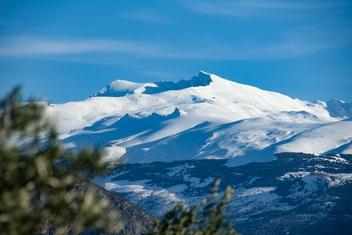
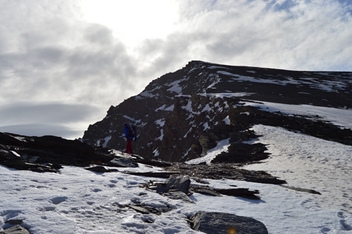
The Sierra Nevada is a dramatic, rugged and extensive mountain range, the highest in Europe after the Alps and the most significant section of the Cordillera Penibética. The protected area encompasses 86,208ha of torrential rivers, sheer-sided gorges, stony scree slopes, glacial lakes between snowy summits and, in the foothills of the Alpujarras, cultivated terraces of almond trees and vegetables.

Doñana National Park

The Parque Nacional de Doñana is one of Europe's most important wetland reserves and a major site for migrating birds. It is an immense area; the parque itself and surrounding parque natural or Entorno de Doñana (a protected buffer zone) amount to over 1,300 sq km in the provinces of Huelva, Sevilla and Cádiz.

El Torcal de Antequera

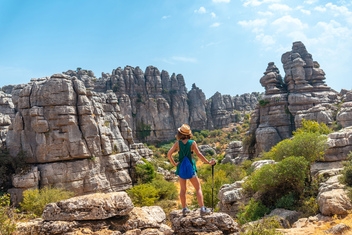
El Torcal Park and the protected El Torcal Natural Area is known for its unusual limestone rock formations. The park and natural area are located about 30 km north of Málaga city, heading towards Antequera near the village of Villanueva de la Concepción. Within El Torcal Park's 17 square km you can see some of the most beautiful and impressive limestone landscapes in Europe. The whole area was under the sea until one hundred million years ago.

Villacarrillo

Originally known as Mingo Priego, its current name comes from Alonso Carrillo, who was appointed Archbishop of Toledo in 1445 and granted the municipality the category of town in a founding certificate dated September 1, 1449, later confirmed by King Juan II of Castile on January 1 in 1450 and by the Reyes Católicos on January 25, 1498, thus separating the village from the old town of Iznatoraf.

Natural Parks in La Axarquía

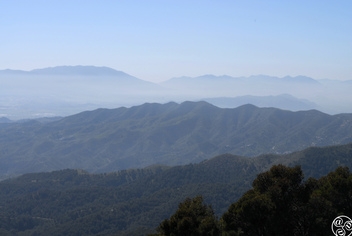
The natural parks of La Axarquia include Sierras of Tejeda, Almijara and Almara, Montes de Malaga Natural Park. Another natural bueaty spot is Lake Viñuela.

Hostals & Hostels Granada

With its' Moorish influences still prominent across the city, highly reasonable cost of living, an abundance of great tapas bars and seemingly no end to fun and excitement, Granada really is the ultimate destination for travelers and tourists looking to have a great experience that won't cost them the earth.

Marismas de Sancti Petri Natural Park

Part of the Bahía de Cádiz Natural Park, this 170ha protected area of saltmarsh is interesting for its rich birdlife. Sancti Petri was a fishing village but is now largely abandoned, overtaken in importance in its new incarnation, the modern tourist complex of Nuevo Sancti Petri. This area around the saltmarsh is somewhat built up, with golf courses and hotels to the south.

Lagunas de Campillos Natural Reserve

The Lagunas de Campillos are five seasonal saltwater lakes with a protected area covering 1,126ha. Only one lake, the Laguna Salada, hardly ever dries out. Some lakes used to be permanent but have suffered from the agricultural activites in the surrounding areas that has put pressure on the water levels of the lakes. But they still provide an important resource for birds based in the area, like those at the nearby Laguna de Fuente de Piedra and the Laguna de la Ratosa.

El Cañón de las Buitreras Natural Monument

The Cañón de las Buitreras is the strikingly named Gorge of the Vultures, after the colony of griffon vultures that nest in the area. The gorge itself is impressive, with often near-vertical sides at times reaching 200m high. In the bottom of the gorge is the Guadiaro river, which has eroded the limestone rock.

Pinsapo de las Escaleretas Natural Monument

The Spanish fir, pinsapo in Spanish (abies pinsapo), is a rare tree most commonly found in the Sierra de Grazalema Natural Park. The pinsapo de las Escaleretas is the oldest pinsapo on record at over 350 years old. Its dimensions are impressive: it is 26m high, with a trunk measuring 5m in its circumference and branches that cover an area of 200m².

El Tornillo del Torcal Natural Monument

Within the Torcal de Antequera Natural Area is this protected geological feature, the Tornillo del Torcal. Its name - the Screw of Torcal - comes from its distinctive appearance, as its limestone layers have been eroded making them look like the threads twisting around a screw. It is used as a symbol for the Torcal Natural Area.