Latest Pages

Latest pages

We are committed to updating our pages as regularly as possible, allocating over half of our editorial resources to this essential task, to ensure that you can always find the latest, most reliable information on popular topics and places.

Here is a list with the latest pages that have been updated or created. Most recent are at the top of the list.
Alcolea

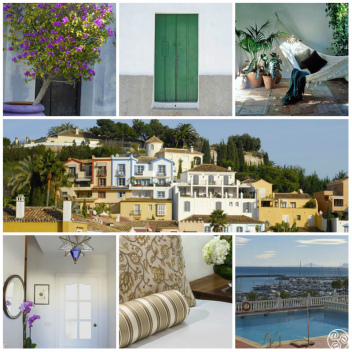
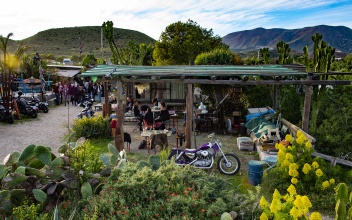
Alcolea’s name originates from the Arabic for ‘small castle’, which likely signals the village’s early structural origins. The construction of the Pantano de Benínar (Benínar Reservoir) made the village even more attractive for lovers of rural tourism as well as for those who prefer to explore historical, artistic and cultural features and buildings.

Six Marbella Watchtowers

There are about 100 different watchtowers (Torre Vigia or Torre Atalaya or Torre Almenara) along the coast of Southern Spain. Some are of Moorish origins others from date from the later Christian re-conquest period. All with the purpose of looking out for invaders from the South. They have lasted the centuries with remarkable strength.

Dalías

Dalías has two main populated areas; Dalías and Celín. At just 12km from the beach, it is a popular destination for lovers of the outdoors, offering sports such as hiking, climbing, paragliding or mountain biking. It has about 4,000 inhabitants. The origins of Dalías date to the Al-Andalus period.

Bentarique

Bentarique is where a valuable Muslim treasure was found dating back to the fifteenth century, consisting of valuable pieces of metalwork and is on show in the National Archaeological Museum in Madrid. It has about 240 inhabitants. The origins of the village lie in the times of Roman domination, an era when baths were the main focus.

Fondón

Fondón is remembered for being the place where Boabdil, the last King of Andalucía, hid when he lost his throne to the Christians. He supposedly hid in the Castle of the Fuente Victoria area. It has about 990 inhabitants.

Alsodux

Alsodux, like many other villages in this part of Andalusia, is built around the site of an old farmhouse located strategically between the Nacimiento River and the entrance to Guadix. It has around 125 inhabitants. Historians have traditionally translated the village’s name as “sixth”, thought to come from the Arab word “al-sadis” or from “sodux” in the Andalusí dialect.

Berja

Once famous for its lead mines, Berja now offers visitors an abundance of historic and artistic heritage, and is an ideal destination for hiking enthusiasts and those seeking sun and beaches. It has about 12,400 inhabitants. Berja is thought to be of Iberian origin. Its Roman heritage is more assured, having been the Vergis of Roman Betica.

Huécija

Huécija is a typical alpujarreño village with notable features including the Convento de los Agustinos and its beautiful tower. It has about 480 inhabitants. The origin of the village’s name is not known with any certainty, however, it is thought to be either Latin or Arabic. During the Arab-Andalusi period, the town was called Guacimora, Güecixa and Güecija.

Bayarcal

Bayárcal is situated at an altitude of more than 1000m, making it the highest municipality in the province of Almería. This has gained the town a reputation for having, supposedly, the cleanest air in Europe, which pairs wonderfully with its natural and rustic beauty. It has around 320 inhabitants.

Canjáyar

Canjáyar is found at the foot of Sierra Nevada, overlooking the Sierra de Gádor. Surrounded by orchards, which are served by a system of hundred-year-old aqueducts, it is a great place to enjoy rural tourism. It has about 1,200 inhabitants. The exact origins of Canjáyar are unknown, however, some remains dating to the Copper Age have been studied.

Íllar

Once a major producer of dessert grapes, the agriculture of Íllar is now focused on citrus fruits. The town has around 390 inhabitants. The first recorded evidence of this town dates from the Al-Andalus period, documented by the twelfth century geographer Idrisi, which inscribes it within the Urs al-Yaman region as one of the twenty castles in the territory.

Paterna del Río

Paterna del Río is the home of the unique recreational areas of Fuente Agria and Guarros, also known as the Baños de Santiago, the thermal waters of which are said to be particularly effective on skin complaints. It has about 370 inhabitants. The name of Paterna seems originate to in Paternum or Paternus, although the remains of Iberian swords found in the Gaviarra mines cast doubt on this assumption.

Instinción

Instinción is a former Arabic village situated on the south bank of the Andarax River, midway along its course. It has about 450 inhabitants. The name Instinción is believed to be of Latin origin, dating from the time of Augustus, in Romanized Hispania. However, is has also been argued that Instinción was the name of a Muslim Princess from the Nasrid family.

Rágol

Found on the banks of the Andarax River, Rágol is surrounded by large eucalyptus trees and is famous for its grapes and raisins. It has about 315 inhabitants. The origins of the town are difficult to determine, although some 20 castles were established in the ninth century to colonize the Marchena area.

Santa Cruz de Marchena

Santa Cruz de Marchena is one of southern Spain’s typical whitewashed villages, surrounded by plots of orange trees and vines. The Plaza Durcal and its neighbouring areas offer the most interesting historical and artistic heritage in the village. It has about 210 inhabitants.

Terque

Walking through the streets of Terque, visitors should look out for the bourgeois houses that were the product of mining in the Sierra de Gádor and the exportation of dessert grapes. It has about 370 inhabitants.The first cultural settlement of Terque is likely to have been prehistoric, evidenced by the millenary cave town found by the occupants of the Millares.

Almería Alpujarra

This Almeria part of the Alpujarras is less well known than the Granada Alpujarras to the west. Both parts share the same characteristics and historical origins. They are the sheltered southern facing slopes of the Sierra Nevada mountain range.

Almería Alpujarra - Destinations

This Almeria part of the Alpujarras is less well known than the Granada Alpujarras to the west. Both parts share the same characteristics and historical origins. They are the sheltered southern facing slopes of the Sierra Nevada mountain range.

Torre de Rio Real, Marbella

The Rio Real watchtower is located near the south-western bank of the Rio Real, on raised ground. This land is now a bend in the A-7 coastal road. A few metres away, on its southern side, there were abandoned Civil Guard barracks. There is no documentation of a tower at the time of the Reconquest of Marbella in 1485, so it is assumed that this tower was built at the end of the 16th century as part of the Hapsburg defensive strategy, with later modifications.