Latest Pages

Latest pages

We are committed to updating our pages as regularly as possible, allocating over half of our editorial resources to this essential task, to ensure that you can always find the latest, most reliable information on popular topics and places.

Here is a list with the latest pages that have been updated or created. Most recent are at the top of the list.

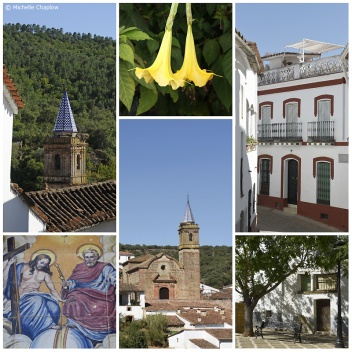
Húetor Vega

Huétor Vega is a village in Granada province found between the valley of the river Monachil and Granada.

Things to See in Seville

With UNESCO classing a complex of three buildings in Seville as a World Heritage Site - namely the Cathedral, Alcazar Palace, and Archive of the Indies - it's no wonder that international and Spanish tourists alike flock to the city to see the magnificent monuments left behind by the cultures which have inhabited the city.

Arquillos

The main economic activity of Arquillos is the cultivation of olive groves, and it is an ideal destination for lovers of nature. In the area of Llano de las Hormigas, in the middle of the Sierra Morena, is the Camping de Pedralejos, where tourists can rest from the hustle and bustle of the city. The town has paths prepared for hiking and an Olympic shooting range in the mountains. It has about 1,800 inhabitants.

Festivals in Almeria City

Festivals in Almeria: La Virgen del Mar, La Virgen del Carmen, Cabalgata de Reyes Magos, Romería a Torregarcía, Carnaval, Día de Andalucía, Semana Santa, Cruces de Mayo, Noche de San Juan, Virgen del Carmen and more.

Huélago

Huélago is a village in Granada province located at more than 990m altitude. It has various monuments worth visiting including Cortijo de Preafán, the parish church and the remains of a Nazarí tower.

Castillo and Torre del Homenaje

The imposing Torre del Homenaje is part of the Castillo de Jimena, which was built by the Arabs as a defensive fortress in the tenth century. After it was conquered by Fernando III in 1234, the castle became part of the city of Baeza and later passed into the hands of the Nasrids. In 1457, the castle was handed over to the Order of Calatrava, who reformed its defenses and adapted it into a manor house, eventually becoming the property of the Marquises of Camarasa. The tower itself was Declared an Asset of Cultural Interest in 1985: the painted frescoes inside have largely deteriorated, and only parts of a naval scene are still visible today. Located in Plaza de la Constitución.

San Martin del Tesorillo

This white village is famous for its orange groves and its emblematic half-moon-shaped, steel truss-girder bridge which spans the river Guadario as it flows down to the Mediterranean. San Martín del Tesorillo is 22km south-east of Jimena de la Frontera, in the Campo de Gibraltar, right on the border between Cadiz and Malaga provinces. It became a 'entidad local' (sub-district) of Jimena in 1999.

History of Berja

Berja is thought to be of Iberian origin. Its Roman heritage is more assured, having been the Vergis of Roman Betica, from which period the remains of the Villavieja amphitheater stand out. The Romans left other artistic vestiges including the early Christian sarcophagus of Alcaudique (currently exhibited in the National Archaeological Museum).

Salar

Salar is the source of the Bañuelo thermal springs, and is also home to the Monea caves featuring stalactites and stalagmites. From here, visitors can experience amazing panoramic views.

Umbrete

Umbrete is not only known for its production of excellent and highly rated mosto (grape juice), but also for its historic and artistic wealth. It has about 8,600 inhabitants.

Venues, ceremonies and meals

Whether you choose to get married in a church, a registry office or a specialist licensed venue such as a hotel, you will want to treat your guests to a fine meal afterwards – especially if they’ve come from abroad to celebrate your big day with you.

Olula del Río

Olula del Río is the only town in the world where the pavements and street signs are all made from marble. This characteristic element of the town represents the role of Olula del Río as a major marble producer in Spain. It has around 6,200 inhabitants. The earliest traces of settlements found in Olula del Río are from the Neolithic and Copper Ages.

Book your stay in Andalucia Now!